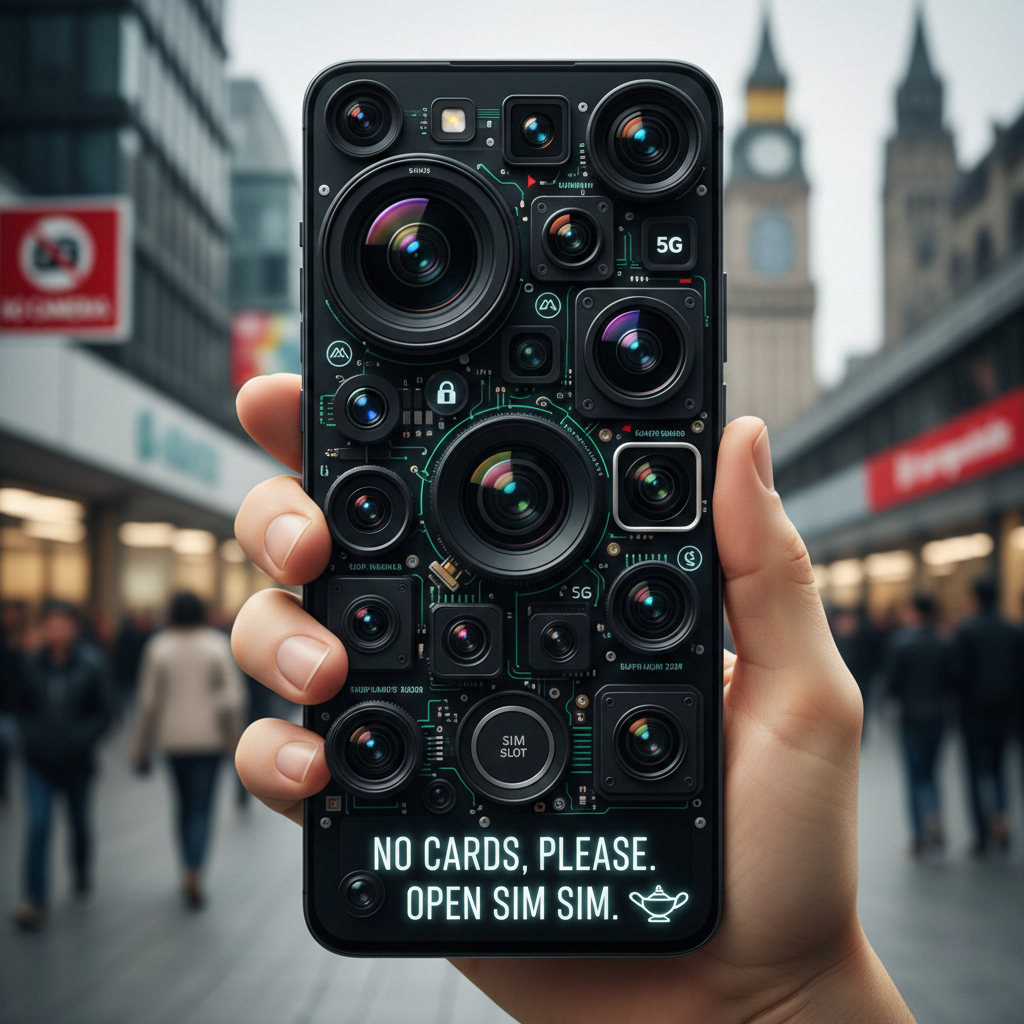
The Inert Grey Cells of Administration
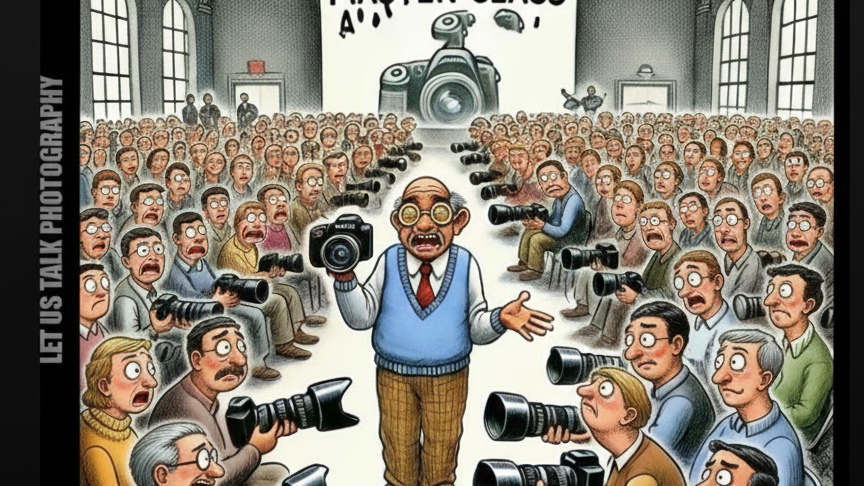
Let's talk about the most absurd, eye-twitching, brain-cell-killing policy of the 21st century. Forget about the speed of light—we need to talk about the sheer, gravitational drag of administrative incompetence.
I'm talking about the signs at every museum, every "insecure" tourist spot, and every major transit hub that proclaim, with all the authority of a medieval decree: “Cameras with Removable Lenses BANNED. Mobile Phone Photography… is Fine!”
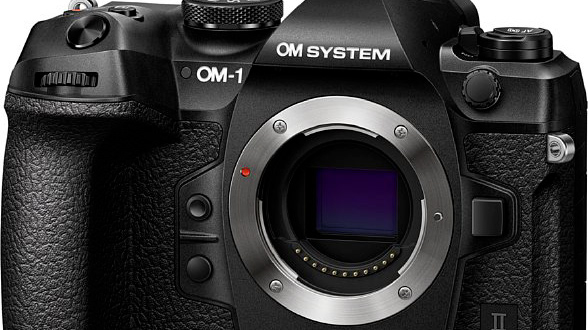
Yes, you read that correctly. They've decided which piece of technology is "too good" for their hallowed halls based entirely on how chunky it looks, ignoring the fundamental digital truth that a camera's power is no longer defined by its aesthetic bulk.
The SIM vs.SD Card Absurdity: The Policymaker's Cognitive Black Hole
This isn't about image quality anymore. That's what the "inert grey cells" think it's about. They believe that my sleek, fixed-lens Fuji X100—which saves a high-res file to a tiny, isolated SD card—is the superior tool for international photo espionage and commercial theft.
Meanwhile, they wave through the kid holding the iPhone 17 Pro Max—a device that:
Captures 50+ Megapixels (perfect for that 16x20 print they fear).
Is SIM-Loaded and 5G-Enabled (meaning the data is instantly uploaded, sold, or broadcast globally).
Fits Covertly in a Palm (ideal for any reconnaissance).
The policy's logic is this: We ban the slow, disconnected camera, but we champion the fast, globally-networked one. This is not a security measure; it is a profound and pathetic demonstration of the policy-maker’s inability to grasp the concept of data transmission in the modern world. They have literally banned the device that takes longer to distribute its payload and embraced the one that can do it live!
The Folly of the "Big Camera = Professional" Rule
The entire ban operates on the ancient, superstitious belief that if a camera looks "professional" (i.e., has a removable lens or is too big to fit in a coat pocket), it must therefore possess magical, copyright-violating powers.
My mirrorless camera is a menace because I might use a lens that gives me "bokeh" when I shoot a selected art form in the gallery! Oh, the horror! Imagine a tourist attraction being documented with artistic depth of field! That’s clearly where the security breach occurs—not in the high-res, instant-sharing capabilities of the phone they allow!
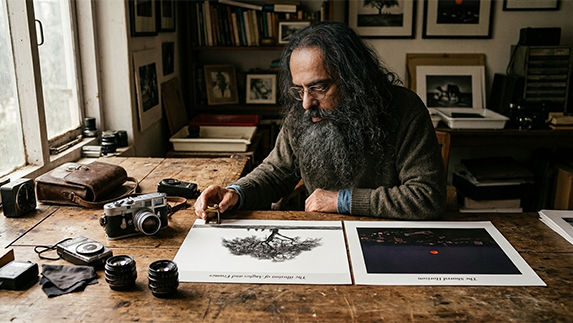
This absurd fixation on camera size is so deeply rooted that I’m convinced the administrators genuinely fear the hypothetical tourist who arrives with a Sinar because he feels better dead than not selling high value prints of his muscular recordings inside his own niche arty foliage.
Panicking over a massive, tripod-mounted, view-camera that requires ten minutes to set up and only captures one sheet of film at a time. The absurdity is palpable: "Quick, everyone! Stop that man with the 4x5 Sinar! If he photographs the railroad track switch, the high-resolution detail of the 19th-century patina will give him an unfair commercial advantage over our gift-shop postcards!"
Meanwhile, the actual threat actor is using his/her phone to take thirty high-resolution, geolocated, and immediately-transmissible images of the facility's security plan!
A Mandatory Policy Health Check
To the administrative "inert grey cells" that ratify this process: Your policy doesn't promote security; it promotes digital illiteracy and visitor contempt. You are confusing deterrence theater with actual risk mitigation.
Your current rule is a self-inflicted wound:
It alienates dedicated photographers who are your best source of high-quality, free promotional content.
It protects the perceived commercial value of a few postcards while ignoring the actual global market.
It perversely endorses the most potent, most connected photographic tool (the phone) while banning the least threatening one (the standalone card camera).
The Solution: Stop regulating the aesthetic bulk of a device. Ban flashes and disruptive tripods for crowd flow, and stop pretending the SD card is the root of all commercial evil while the SIM card is a beacon of tourist innocence.
Either ban all imaging devices to truly secure a sensitive area, or get out of the way and let people document your facility with the non-disruptive equipment of their choice. Your time-warped logic is officially expired.