45 Years Ago: Flawed. Immortal. Today: Flawless. Dismissably yours..
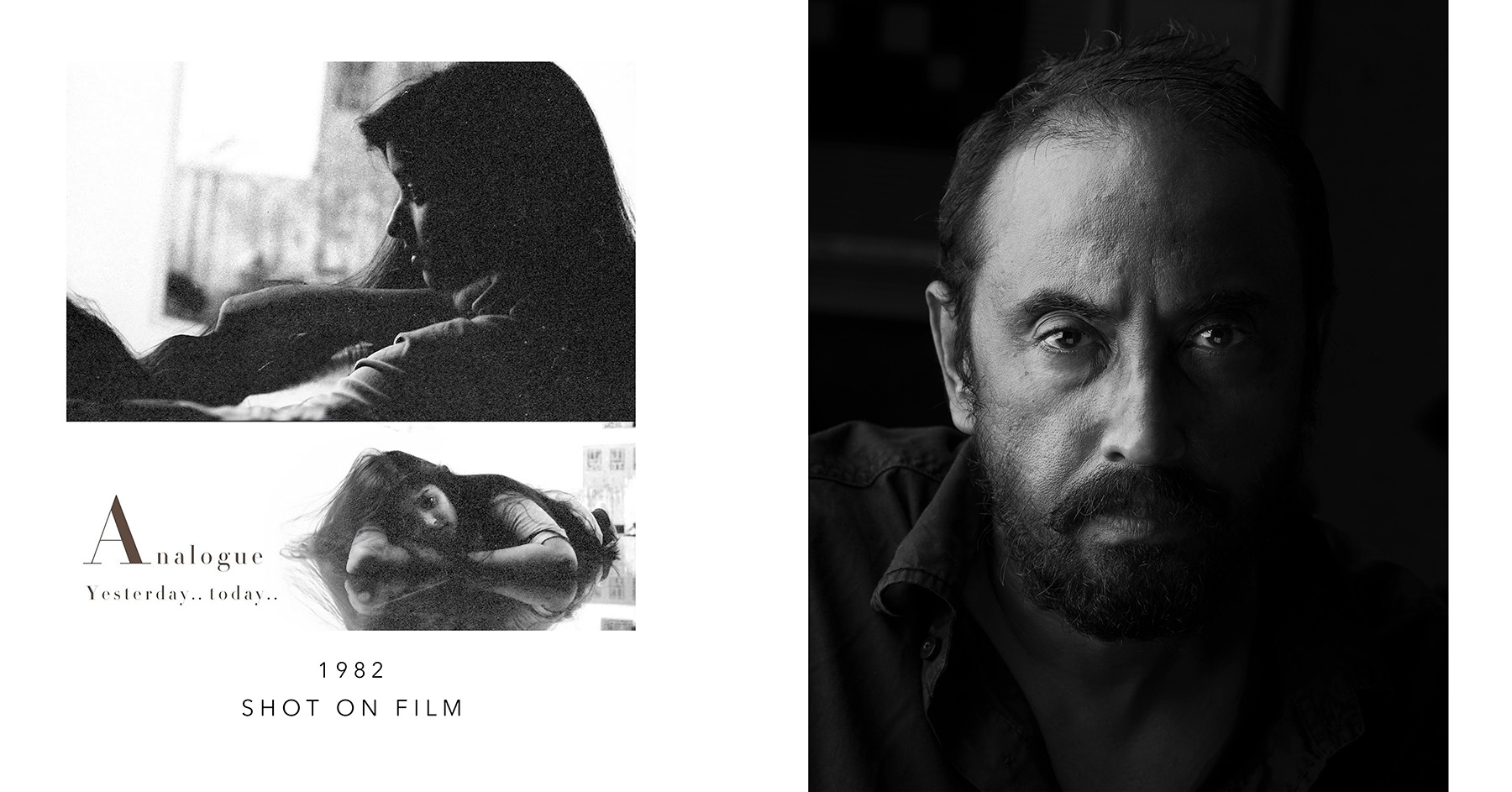
The crisis currently plaguing the photographic industry is not technical; it is ontological. We are bogged down in the reviewer's melee—the meaningless categorization of clinical versus character, ghosting versus precision—precisely because we confuse the Photograph with the Photographic Rendition.
To confront this confusion, we must define the terms of the argument:
The Photograph (The Mechanical Baseline): This is the literal, measurable, and uninterpreted capture of light—the raw data stream produced by the lens or the sensor. It is defined by its aspirational Fidelity to the Scene, a goal pursued by the clinical lens or sensor that attempts to disappear entirely, leaving the raw data untouched.
The Photographic Rendition (The Interpretive Statement): This is the final, edited, and subjective image. It is the result the viewer sees, filtered through technical and artistic choices. Its defining goal is Fidelity to the Vision. This is the realm of the vintage, flaring, and character lenses or even expired films, Lomographic terrain — tools of interpretation that impose a pre-selected, designed flaw onto the raw data.
Or as it goes now..
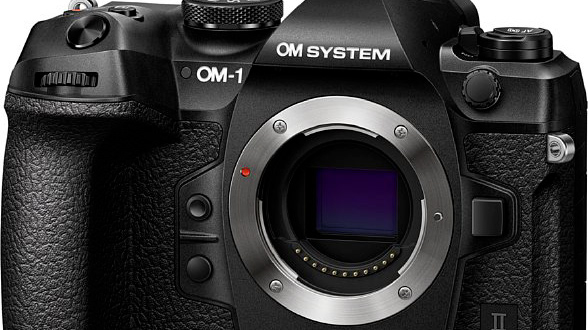
Clinical, 'Aogami Supers'
The line between the "Photograph" and the "Rendition" blurs at the moment the light enters the lens. A modern, clinical lens attempts to push the rendition as close to the photograph as possible, aspiring to Zero Interpretation. Conversely, a vintage lens is an Interpretive Filter, introducing intentional, uncorrected optical flaws (spherical aberration, low contrast) that modify the light before it hits the sensor. This makes the raw data itself already a rendition. The entire lens melee is simply a debate over how much interpretation should be outsourced to the glass.
This leads us to the core truth: The crisis is not purely optical; it is philosophical and structural—a crisis of design intent. Designs could be corrected, but it is important to correct the designer first. The pursuit of technical purity misses the point that the greatest vintage glass offer not zero flaws, but intentional flaws—optical signatures that served a visual narrative.
A Super-Takumar's single-coated glass, designed during the black-and-white era, offers a character that is defined not by resolution, but by a graceful tonal fidelity—a soft, nostalgic rendering impossible for any modern lens to simulate without computation. Similarly, mounting a venerable Hasselblad Planar onto a mirrorless medium format is not about convenience; it is a search for its original, profound resolving power and signature contrast, a design dignity the reviewer casually dismisses for "swirly bokeh."
The ultimate proof is found in the highest echelons of visual production: Hollywood today is shopping for the flaws of the past. Films like Train Dreams and The Girl with the Needle deliberately seek out vintage lenses from the 1950s to secure a specific, inimitable exquisite feel that no clinical modern optic can replicate. The point is simple: you do not need every single updated toilet cleaner and brush the industry churns out; you just need the one that cleans. The need is not for more technology, but for the correct, intentional tool.
This struggle will only intensify. As we gaze toward 2050, the very real Hasselblad X3D 250MP is the Ultimate Truth Machine, exposing reality with merciless, hyper-resolution. The lens that bites the dust first will be the perfectly clinical one, for it offers no means of artistic defense against the sensor's overwhelming perfection. The "vintage feel" idiom is not vanity; it is survival—the intentional compression of the tonal range, the filtering of light, and the introduction of subjective depth.
The industry's future necessitates a philosophical shift. The goal is no longer fidelity to the scene, but fidelity to the vision. To aid this shift, the industry needs a new glossary. We must abandon the vocabulary of engineering failure (e.g., "coma," "field curvature") and replace it with a lexicon of artistic intent (e.g., "designed light distortion," "tonal fidelity ramp," "signature focus fall-off"), without alerts screaming. "This lens is a centenarian milestone- Experience how the Masters perceived their workflow"
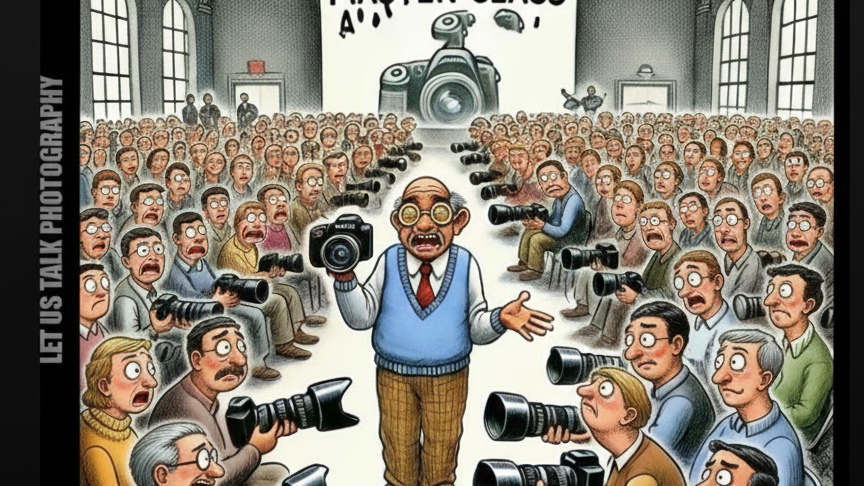
And so, we arrive at the final test, the ultimate proof of whether the philosophy has been truly grasped. Imagine a dozen attendees at a Master Class. The Master fixes the crowd with a look and asks the quintessential questions: 1) Define a good photograph? and 2) How should a photograph look ideally?
The statistically largest group will inevitably respond with the clichés of the marketplace—sharpness, composition, and creamy bokeh. But the correct, one-in-a-decade answer, the one that validates every word of this manifesto, is the one that rejects the premise of definition entirely. The true student replies:
"This is a hypothetical and tricky question number one: If I have to define a good photograph, then the very purpose of this class is defeated. The correct way to see it is, the Photograph should define itself beyond human help. The most you could do is to superscribe it with the date and place where it was shot. Anything more is self-defeating. And number two: A photograph should look like a photograph, not some funny creation where intentions bleed than the purpose."
The goal of the Master Class, and the future of photography, is not to teach us how to define a good photograph, but to teach us how to make a photograph that is so unequivocally potent that it renders all definitions—and all technical clichés—irrelevant.
Quantity is Data. Purpose is the Process. Without the mix of intent, the raw material is nothing but waste.