The Tyranny of Detail
The Inverse Law of Efficiency
If the efficiency of a photographer is inversely proportional to the tricks their camera can perform, we are living in the age of photographic inefficiency. Today's mirrorless machines—capable of 100 frames per second, shooting flawlessly in near-darkness, and boasting sensor resolutions designed to map distant galaxies—have done more to dull the photographer’s eye than any single factor in the history of the medium. The contemporary camera is not a tool for vision; it is an alibi for indecision. It promises technical perfection to compensate for emotional absence.
"The contemporary camera is not a tool for vision; it is an alibi for indecision."
Simple vs. Ordinary: The Semantic Corruption
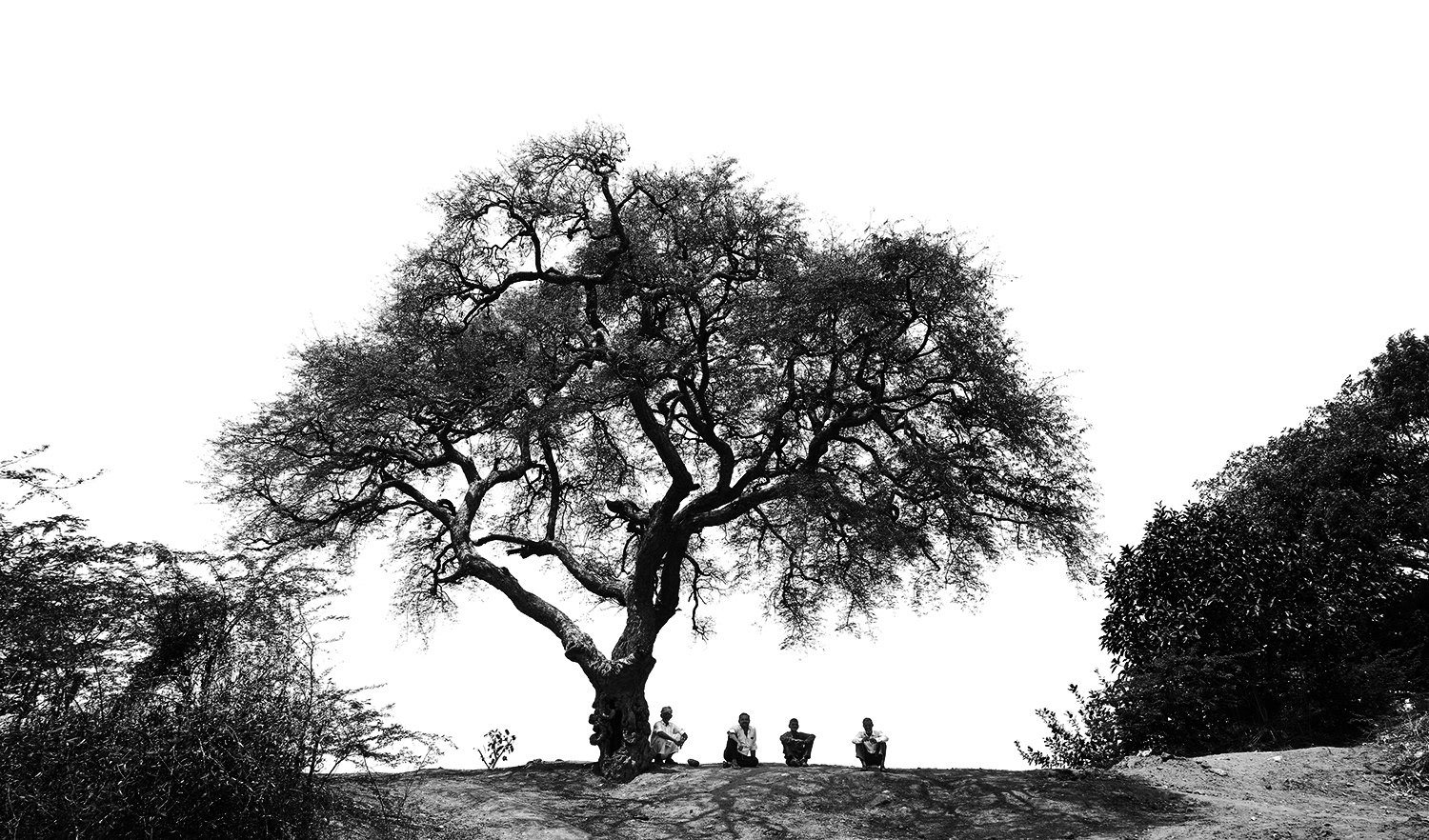
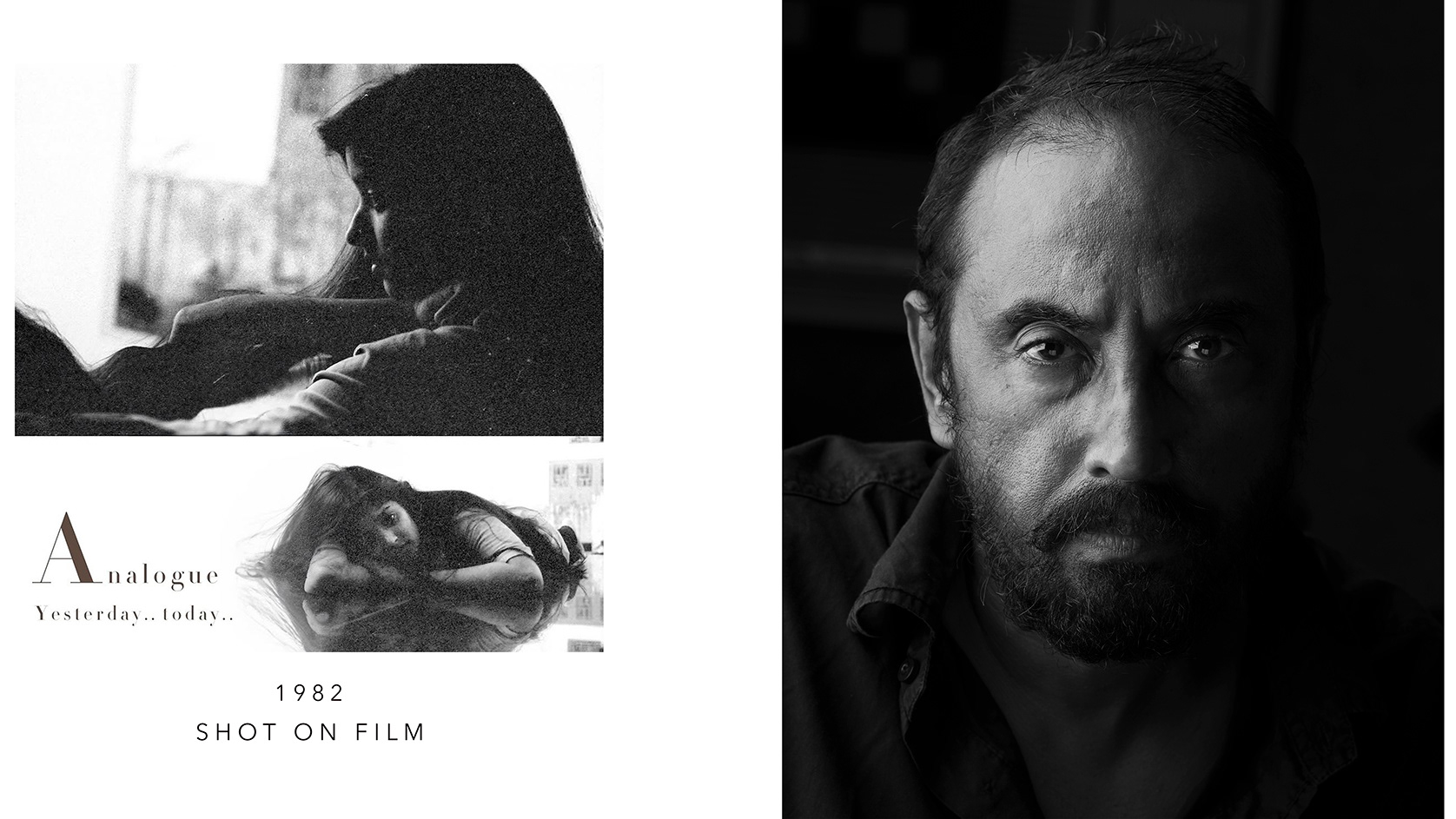
What earlier generations revered as "simple"—a decisive, unadorned vision captured with deliberate restraint—is now routinely dismissed by the pixel-obsessed crowd as "ordinary." The line separating mastery from banality has become imaginary, blurred by the relentless, noisy pressure from commerce that demands quantity, not clarity.
We have misplaced the key to sane visual observation, losing it under an overkill of tech and algorithm combo. The appreciation now warrants a deep understanding and awareness, without which it is like an unrealized Keats in a home library. As Cartier-Bresson would rightly reflect on the chaos of modern capture: "Why can't they shoot simple and straight pictures that appeal?"
The Specs Dictatorship
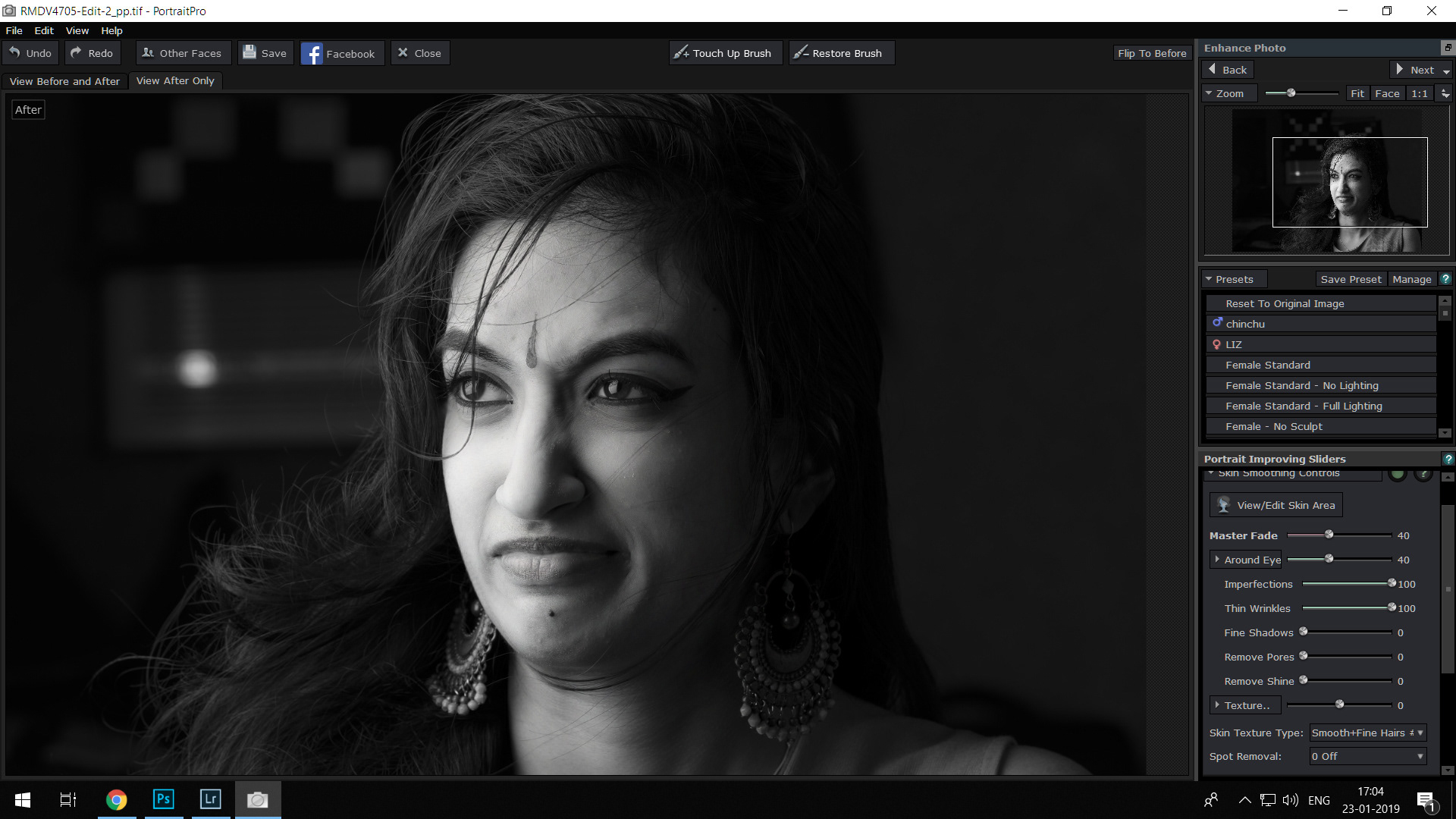
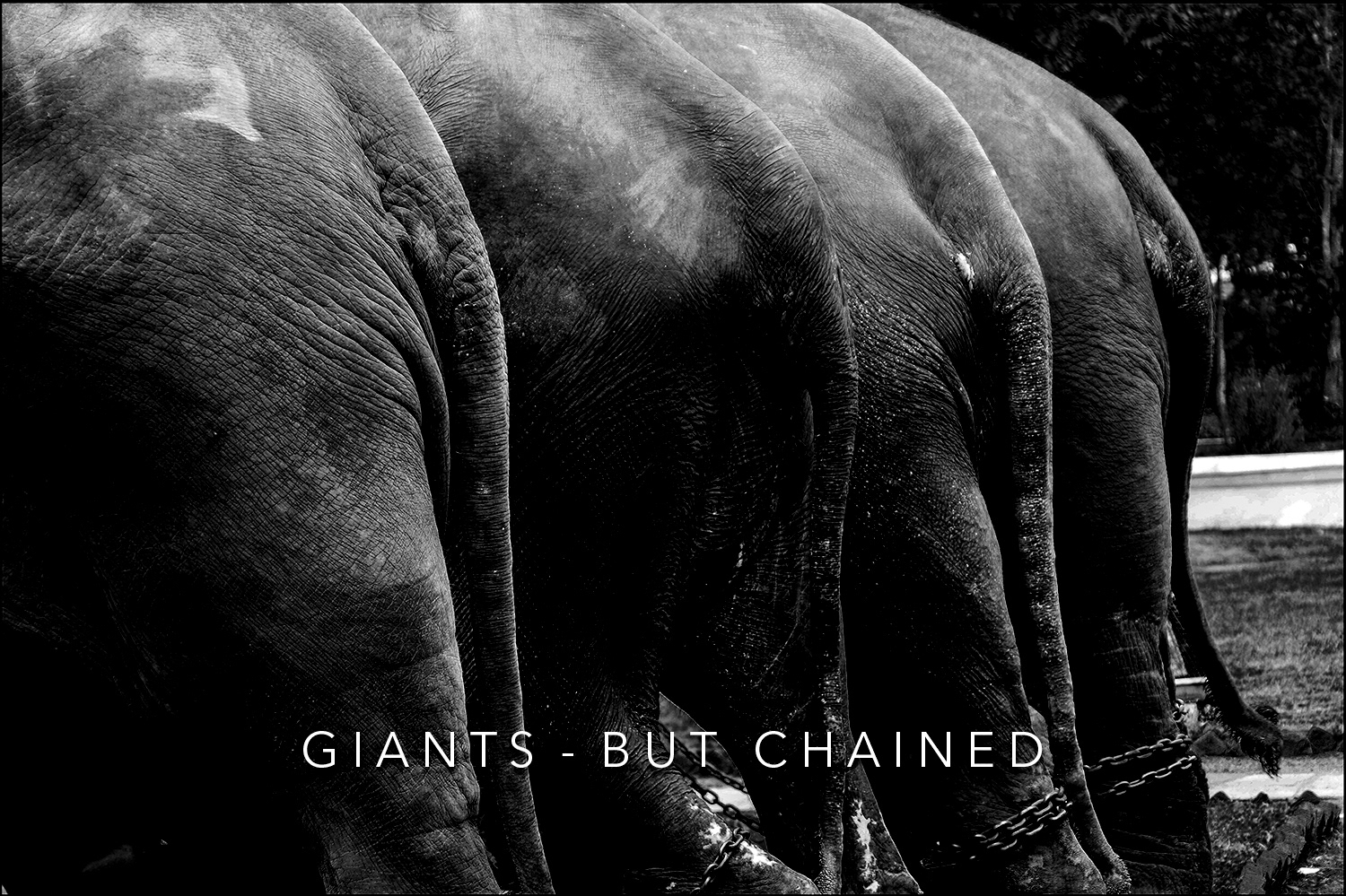
This crisis is compounded by the divorce between the camera manufacturers and the art itself. The honchos of the industry and their proteges operate under the pathetic delusion that photography (the gear, the specs, the process) and the photograph (the final narrative, the content) are separate entities. The industry clamours for swan songs highlighting theoretical absolutes leading to the obsession where "details" become a tyranny. We are brainwashed to look for details, and just details, elevating the photograph to a data file first and a visual narrative second.
The Power of Flaw: Content Trumps Spec:
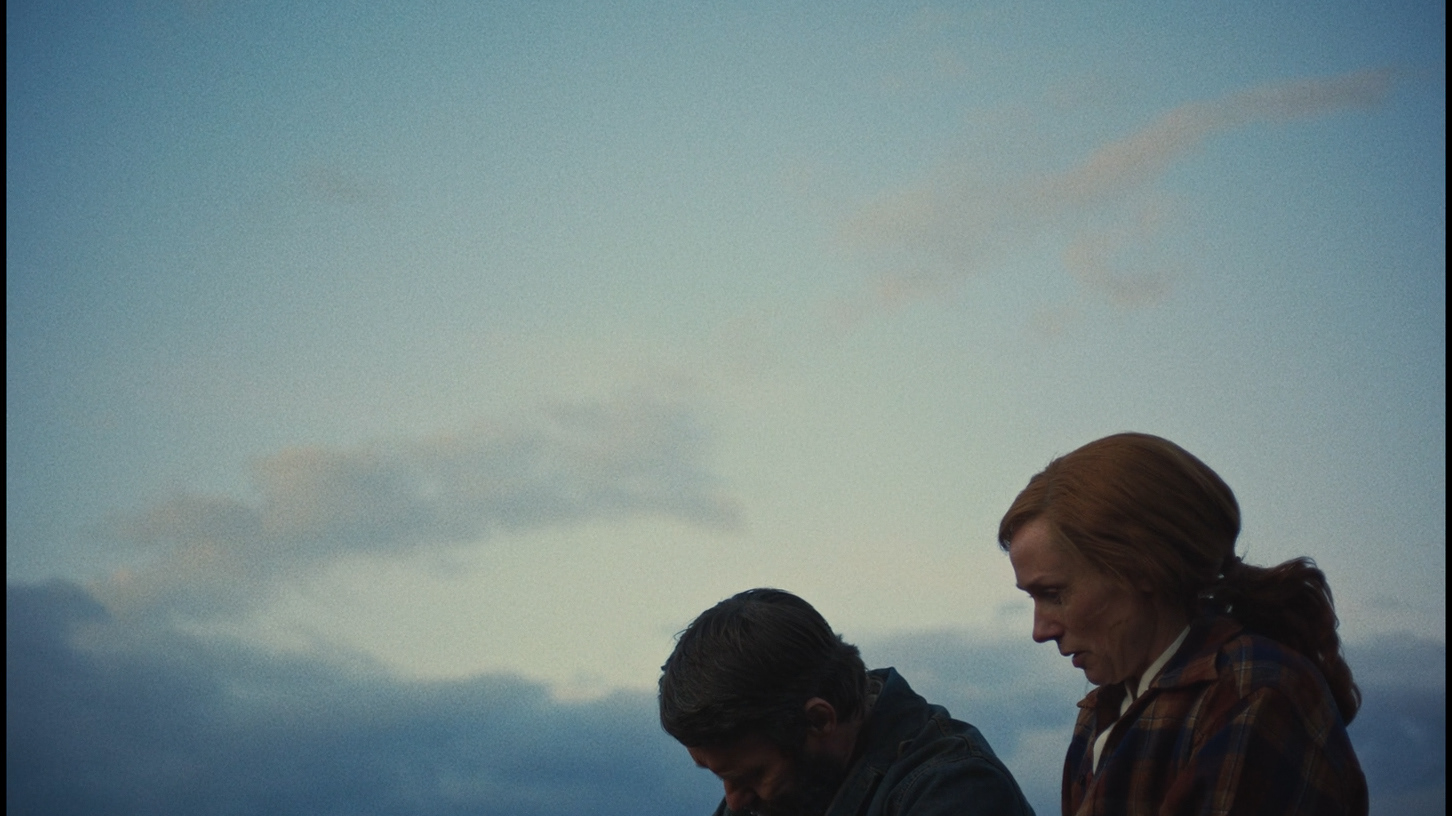
When a photograph cuts through the noise and wins the world’s most prestigious awards, the silence from the camera-marketing jazz is deafening. Take, for instance, Warren Richardson's World Press Photo of the Year 2015. The image is grainy, captured in low light, its details obscured by shadow and necessity. By manufacturer standards, it is technically flawed. But the blurred figure and the grain are the narrative strengths; they are the true details conveying anxiety, secrecy, and the darkness of the moment. Dorothea Lange's depression era photographs, Walker Evans, Lewis Hine, Margaret Bourke-white---the list goes on to stamp the identity of the tool called camera and
WHY-(?) IT WAS MADE IN THE FIRST PLACE.
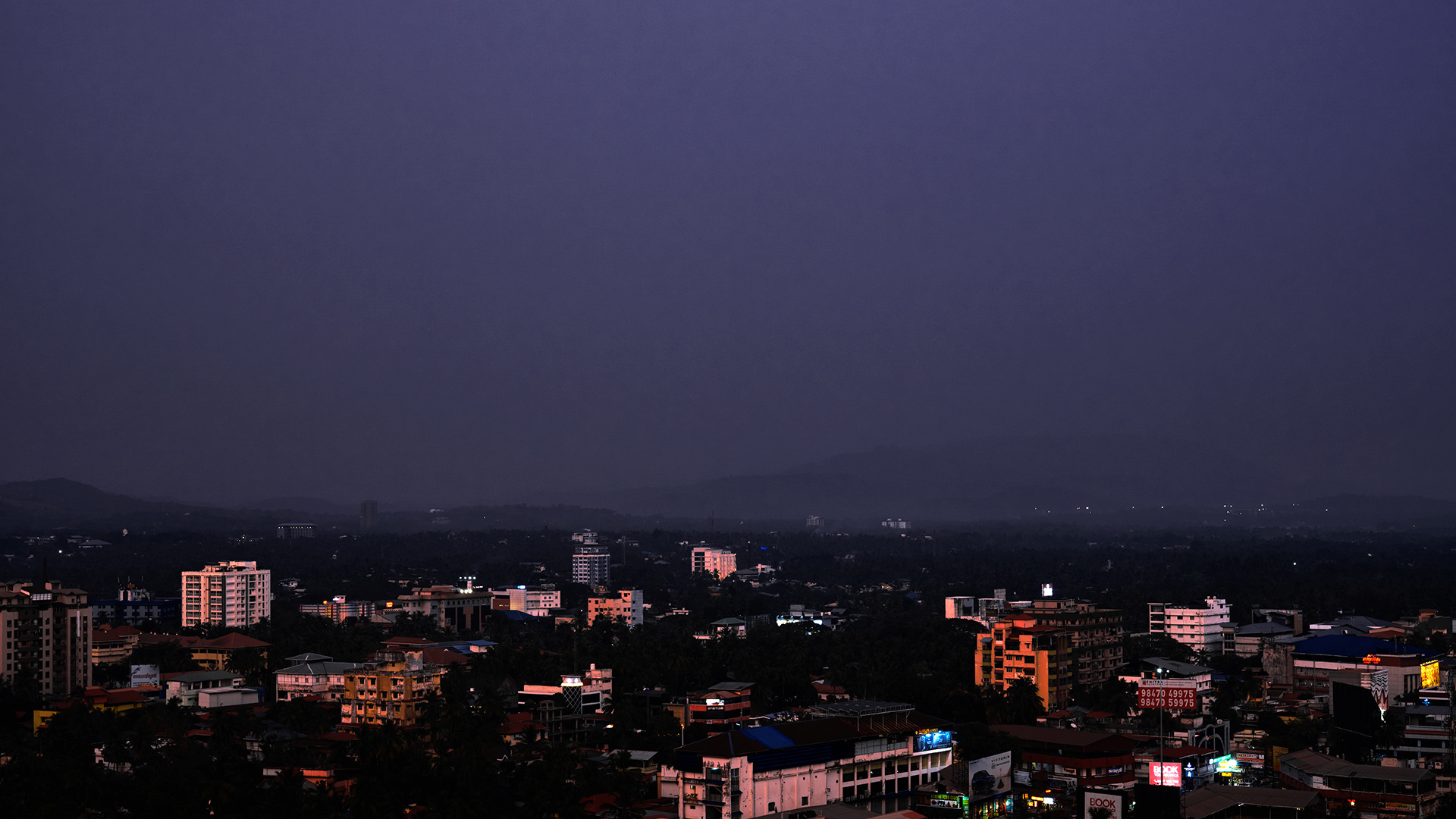
"The world has come to a knot of commercial noise, and whether you call it low light or poor light, the technical clamour doesn't seem to shine brighter any time soon."
The Erosion of Empathy and Posterity
This fetishization of technical perfection has a devastating effect on the photography’s highest mission: recording for posterity. When someone views a prison cell, dark and stark, lit only by a solitary streak of light where Nelson Mandela spent decades, they feel the mood, the bleakness, and the historical weight. Yet, these very voices claim the image is "poorly lit" and lacks " shadow details." They torment till the prison is lit by parabolics and shot with 52x65 size sensors. This is the pathetic attempt to substitute historical empathy and truth with technical quality control.
The Circus of the Ritual
Nowhere is this perversion more obvious than in the industry that should be the keeper of cherished human memory: the wedding industry. What was once a solemn ritual is made mincemeat of every sequence. Photographers, often described "intruders and enforcers", stage-manage and make the human subjects perform multiple times to get the shot that is straight and "buyable."
In stark contrast, photographers like Kevin Mullins shoot weddings as a guest, prioritizing intimacy and context over control. He uses available light, capturing moments without intrusion, allowing participants to see themselves in a genuine light only when they view the final reels. The pixel-space and virtual-space contest has reduced sincere documentation to a costly, ephemeral spectacle.
The Way Forward
To break this knot, we must resist the commercial noise and reject the tyranny of detail. We must realign the photograph with its purpose: not as a data file for technical assessment, but as a visual narrative for human empathy. We must stop asking what the camera can do for us and start asking what we, the visionaries, can do with the moment. The way forward is back to the simple and straight.