The Corporate Guide to Buying Back the Enlightenment We Sold You in 1982
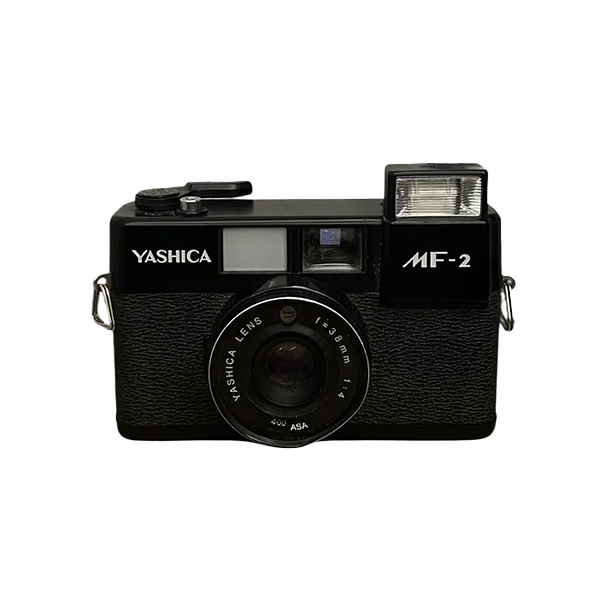
Exhibit A: The 1980s 'Amateur' Box — Zero soul, 100% cheap plastic utility..
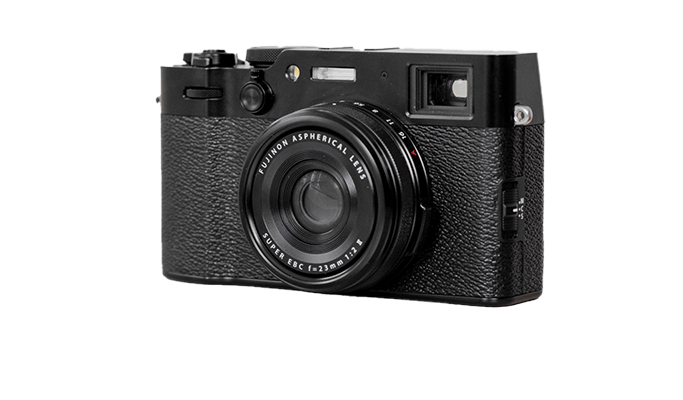
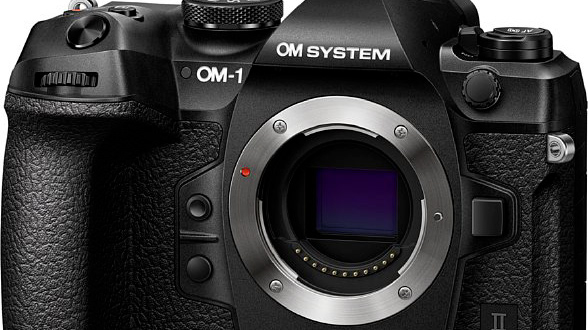
Exhibit B: The Modern 'Soul Vessel' — A microchip wrapped in a mid-century trench coat
Act I: The Miraculous Reincarnation of the Plastic Toy
In 1985, if you walked into a family picnic holding a fixed-lens, plastic point-and-shoot, you weren’t an artist. You were the uncle who forgot his good camera. That little plastic box was engineered by corporate bean-counters to be completely foolproof, meaning it required exactly zero brain cells to operate. It was the definition of cheap, mass-market utility.
Fast forward to today. Those exact same Japanese and German boardrooms—now staffed by the octogenarian geniuses who spent their youth trying to eradicate manual focus—have experienced a corporate spiritual awakening.
They looked at the smartphone, realized they lost the war on pixels, and put on the saffron robes.
Suddenly, that cheap plastic distortion isn't a manufacturing defect anymore; it’s "organic character." The missing dynamic range that turns shadows into pitch-black voids isn't a limitation of cheap silicon; it's "poetic mystery."
Act II: The Menu-Driven Monastic Life
The genius of the modern "Soul for Sale" business model is how tightly packaged the enlightenment is.
You spend $1,500 on a retro-styled compact camera because you want to escape the algorithmic tyranny of Silicon Valley. You want to feel alive. You want to touch the earth.
So, you sit in a café, click a beautifully machined aluminum dial to select a pre-programmed, proprietary corporate color profile called "Nostalgic Negative," and snap a picture of a paper coffee cup.
The Enlightenment Checklist:
Step 1: Buy a mass-produced microchip wrapped in mid-century faux-leather.
Step 2: Use a corporate algorithm to simulate the chemical imperfections of a film stock the manufacturer discontinued ten years ago to save money.
Step 3: Immediately use a Bluetooth app to transfer the "authentic" image to your iPhone so you can post it to Instagram with the hashtag #MindfulShooting.
You haven’t escaped the matrix; you’ve just bought a premium ticket to the heritage wing of the amusement park.
Act III: The Big Lensers and the Corporate Monks
The hypocrisy reaches its absolute peak on the street.
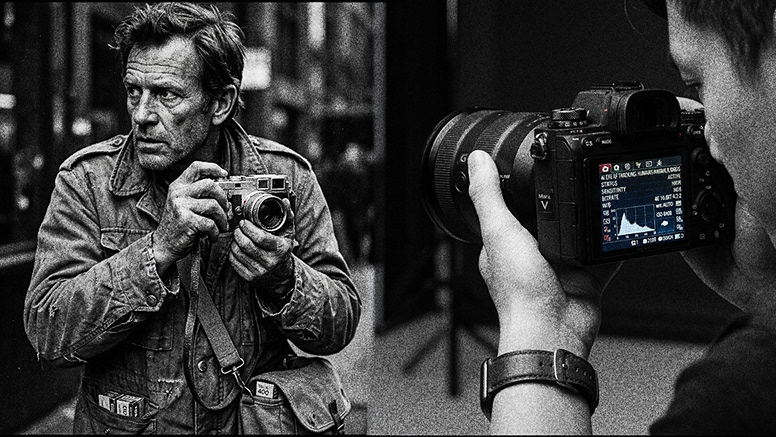
The poor professional photographer—the "Big Lenser"—is out there sweating under twenty pounds of clinical, technically perfect, $3,000 glass. He is capturing every single pore on a model’s face with absolute, sterile precision. He has no soul. His soul is rented by a real estate agency or a wedding party for $150 an hour. He is a mere gig-worker in the digital registry.
But the tech executive walking past him with a $1,200 Ricoh GR snapped to his wrist? He has a soul. Why? Because his camera fits in his pocket and has no viewfinder. He doesn't look through the glass; he just glances at the universe, taps a button, and captures a blurry, out-of-focus shot of a brick wall.
On TikTok, that blurry brick wall will get ten thousand likes because it feels "raw." The tech worker gets praised for his effortless, poetic intellect. He paid a premium price to look like he isn't trying. It is the ultimate luxury: commodified laziness
The Closing Bid
The octogenarians have pulled off the greatest heist in consumer history. They sold us the automated, sterile future, waited forty years until we got predictable fatigue from it, and are now selling us the "clunky, manual past" at triple the price.
When authenticity is mapped to a physical mode dial on a production line, it isn’t authentic—it’s just an assembly line with a vintage filter.
But hey, the box says it comes with "Soul" included in the retail price. Shipping is delayed by six months due to high demand, but don't worry—the algorithm will tell you to stay bored enough to wait for it.
The Status Inversion Map (1980 vs. 2026)
Gear Category The 1980s Verdict The 2026 Verdict
The Plastic Pocket Camera--1980-"You are a suburban amateur who cuts off people's feet in photos." 2026- "You have a deep, poetic soul. Your effortless vision bypasses the sterile corporate paradigm."
The Giant Lens & Pro Body--1980-"You are a master craftsman doing serious, highly technical, intellectual work." 2026- "You are a corporate gig-worker producing clinical, heartless digital assets for real estate brochures."
The Target Audience - 1980- Parents at a backyard birthday party. 2026- Silicon Valley tech executives trying to feel something again.
The "Am I Buying a Soul?" Diagnostic Test
[ ] The Workflow Paradox: Do you take a photo on a dedicated, distraction-free "analog-feeling" camera, only to immediately transfer it via Bluetooth to an iPhone within 45 seconds so you can post it to social media?
[ ] The Algorithm Cleanse: Are you paying over $1,000 for a digital sensor specifically because a corporate engineer programmed a menu setting that mimics the flaws of a film stock the same company stopped manufacturing to save on overhead?
[ ] The "Effortless" Illusion: Do you intentionally leave a photo slightly out of focus or poorly exposed, secretively hoping your peers will mistake a lack of basic technical execution for "gritty authenticity"?
The Ultimate Supporting Evidence: The octogenarian executives didn't change the hardware; they changed the vocabulary. Yesterday's "cheap manufacturing compromise" is today's "vintage character."