This morning I was watching a little girl being done up and waved off to her toddler class, her charioteer-- a three wheeler auto rickshaw of Indian DNA, the vehicle that could carry about three well fed adults was suffocating-- for space, packed with many other tots and their encumbrance.
This is 2026.
When we went to school, we were dressed and walked in. Or a guardian would help us onto a bus that wound its way somewhere near the school. No one spoke of this as progress. No one marked it as an accomplishment. It was simply how things were—uncelebrated, unrecorded, yet complete.
Today, nothing escapes recording.
Except meaning.
Except meaning.
Inside the vehicle, the children were not curious. They looked upward, not at each other. No greetings exchanged. No small collisions of presence. No shared mischief. A routine unfolded efficiently and left nothing behind. I struggle to find another word for it.
I saw the frame.
And yet, I did not make the picture.
And yet, I did not make the picture.
What remained was not an image, but an after-impression—an unease that settled somewhere deeper than recollection, somewhere resistant to storage or retrieval.
The frame did not happen.
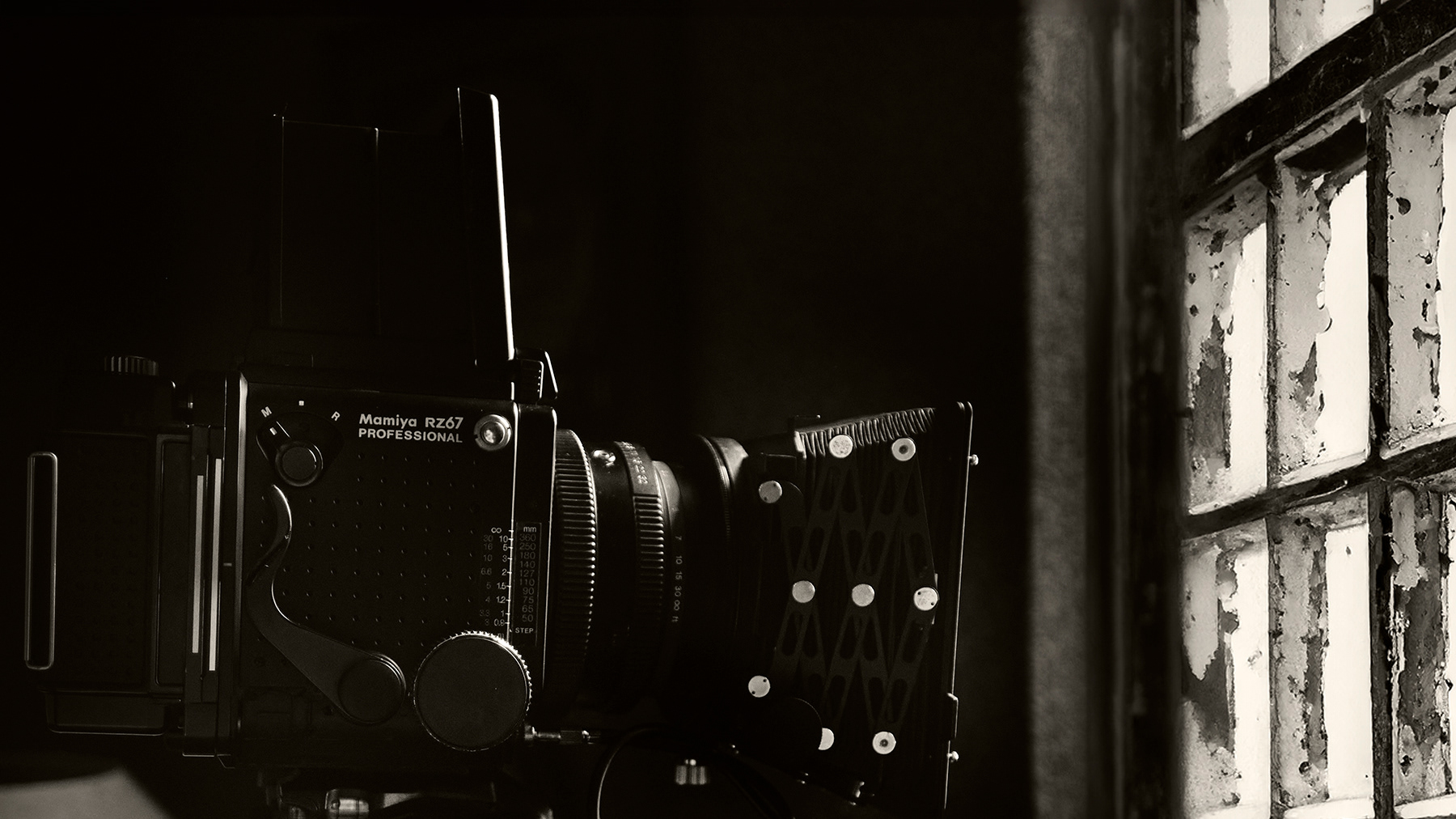
Not because the camera wasn’t there—
but because I hesitated, like everyone else who knows too much and acts too late.
Not because the camera wasn’t there—
but because I hesitated, like everyone else who knows too much and acts too late.
Too much thinking often disguises itself as awareness. In truth, it frequently leads to nothing.
Perhaps the image now belongs to a future that may never ask for it. Or perhaps it belongs only to this moment of refusal—to the space where witnessing was possible, but deferred.
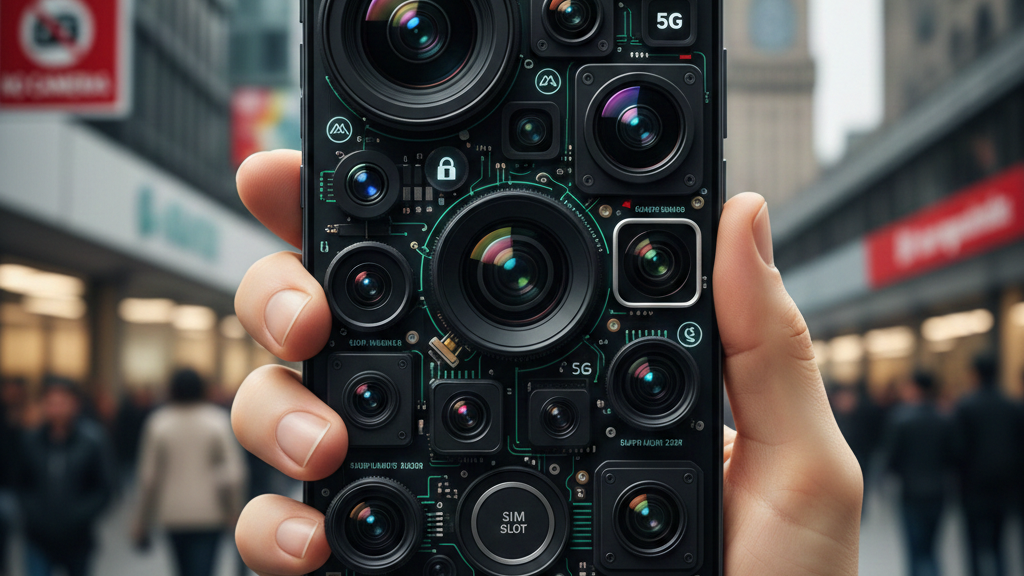
The apparatus we call the camera is no longer scarce. It has been absorbed into the body, into the hand, into reflex. Nearly everyone on earth today—barring a few in the hinterlands of the Ndoki has access to one. We photograph what we eat, what we wear, what confirms our presence. Rarely do we photograph what unsettles it.
The camera is used constantly, but seldom consciously. It records outcomes, not impulses. Surfaces, not causes. It has become a device of reassurance rather than inquiry.
And so the moment passes intact, untouched by attention.
I stepped back—from the scene, from the urge to record, from myself.
Nothing was missing except intention.
The question that remains is simple:
Was I there—
or already gone?
or already gone?