This is not about back issues. These are unresolved WHYs.
Photography does not enter or exit eras. It does not become modern or obsolete. What changes is not photography, but the way we think about it. The cerebral fades to vague, and then to hysterical.
We are told we are in a new age of photography — faster cameras, sharper lenses, intelligent systems. But photography itself has not moved. A person still stands somewhere, looks, waits, decides, and releases the shutter. That is all that has ever happened.
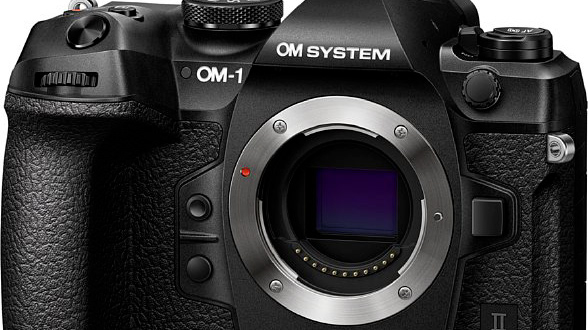
Somewhere along the way, we began asking the wrong questions. How sharp is it? How fast can it focus? How much does it resolve? How beautifully does it blur? These are questions of HOW. Necessary, yes. But insufficient. Because photography does not begin with HOW. It begins with WHY — why this moment, why this distance, why this frame, why this matters.
There was a time when photography was understood as a language. A line once said:
"150 years ago a language was invented that everyone understood."
We have not lost the camera. We have lost the language.
Consider a simple photograph. An old woman stands under a theatre marquee, reading a newspaper while people move around her and lights repeat above. Nothing rare. The photograph is not the surprise.
The confidence is.
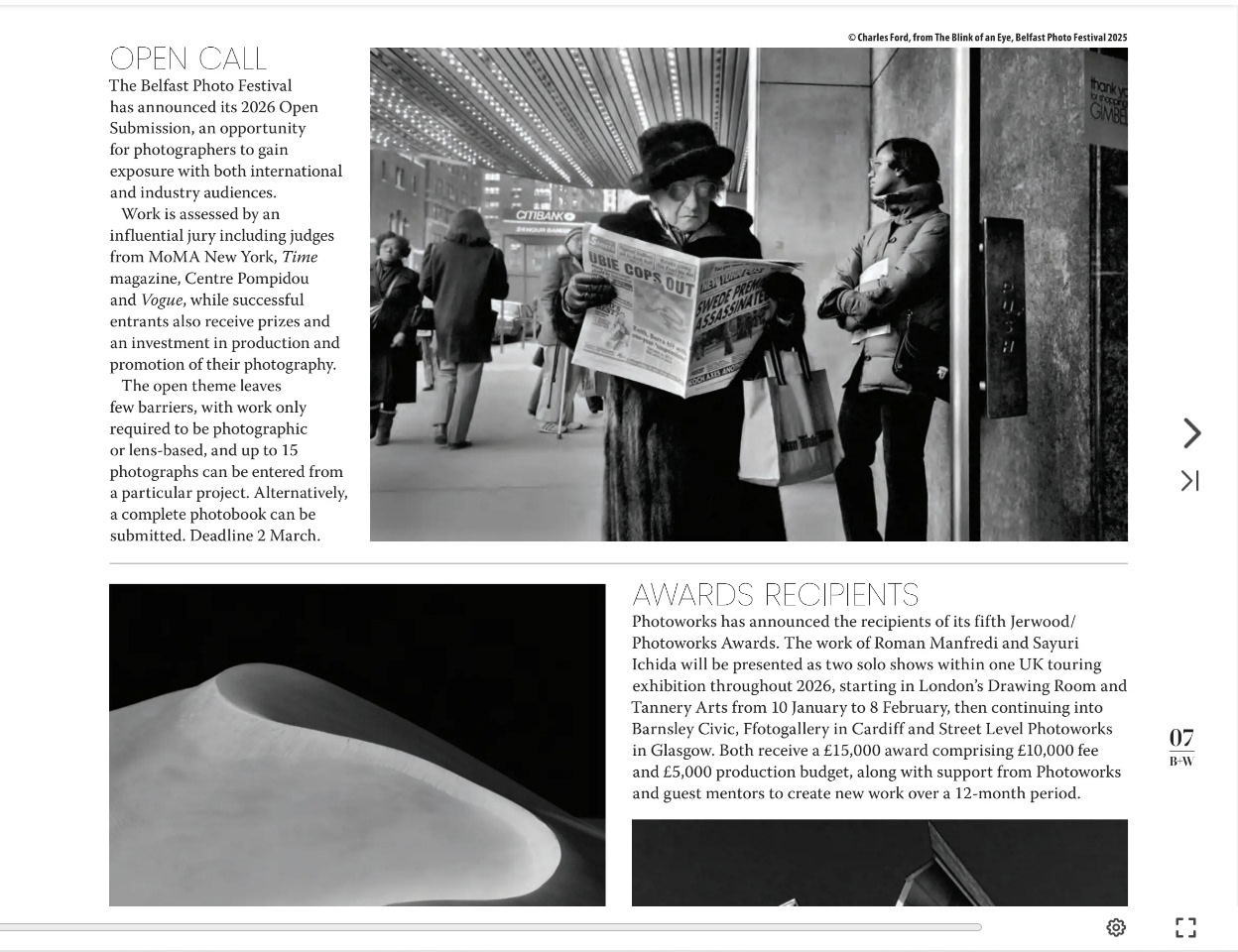
Above Photograph- credits -- From the B+W magazine - by Charles Ford, from the 'Blink of an Eye'- Belfast Photo Festival-2025
The confidence to say: this is enough.
We are not cheated in such images. Nothing is forced, nothing exaggerated, nothing trying to impress. The photograph does not demand attention. It allows it. And that is why we stay.
When a photograph begins to demonstrate the capability of a lens, the precision of a sensor, or the smoothness of a blur, we step back. Not because it is wrong, but because it is no longer speaking. It is explaining.
Photographers have always made decisions — where to stand, when to wait, what to include. But they did not decide what should not exist. A photograph was a position taken in front of the world, not a correction applied to it. The distance of a subject was respected. The presence of others was accepted. The frame was not cleaned. It was lived.
A hundred-year-old photograph of the Taj Mahal holds people, time, and interruption. Nothing is removed, nothing corrected. It is not perfect.
It is complete.
Today we remove the world to respect the subject. But in doing so, we remove the very thing that made the subject meaningful.
Tools are not the problem. They never were. A President's note from the American Society of Cinematographer's magazine describes working under severe constraints — minimal equipment, limited light, unpredictable conditions. The solution did not come from better tools. It came from clarity. The audience never sees the constraint. They only see the result.
Even now, images are made across generations of tools. A frame made with a Nikon D5 does not collapse in the presence of a Nikon Z9, because the photograph was never dependent on the upgrade.
We often stand and watch a moment pass — not because we lack a camera, but because we are waiting for the right one. When everything is available at the end of a transaction, the need to decide reduces. And when the need to decide reduces, the act of seeing begins to fade.
Photography was not invented to isolate. It was invented to remember.
Insufficient HOWs are a howl.
Photography does not need to become louder. It needs to become clearer. The ordinary is not insufficient. It is unattended because it just whispers.
In the end, a photograph is not remembered for how it was made. It is remembered for what it allowed us to see.
That is where photography still lives. Quietly. Unchanged. Waiting.