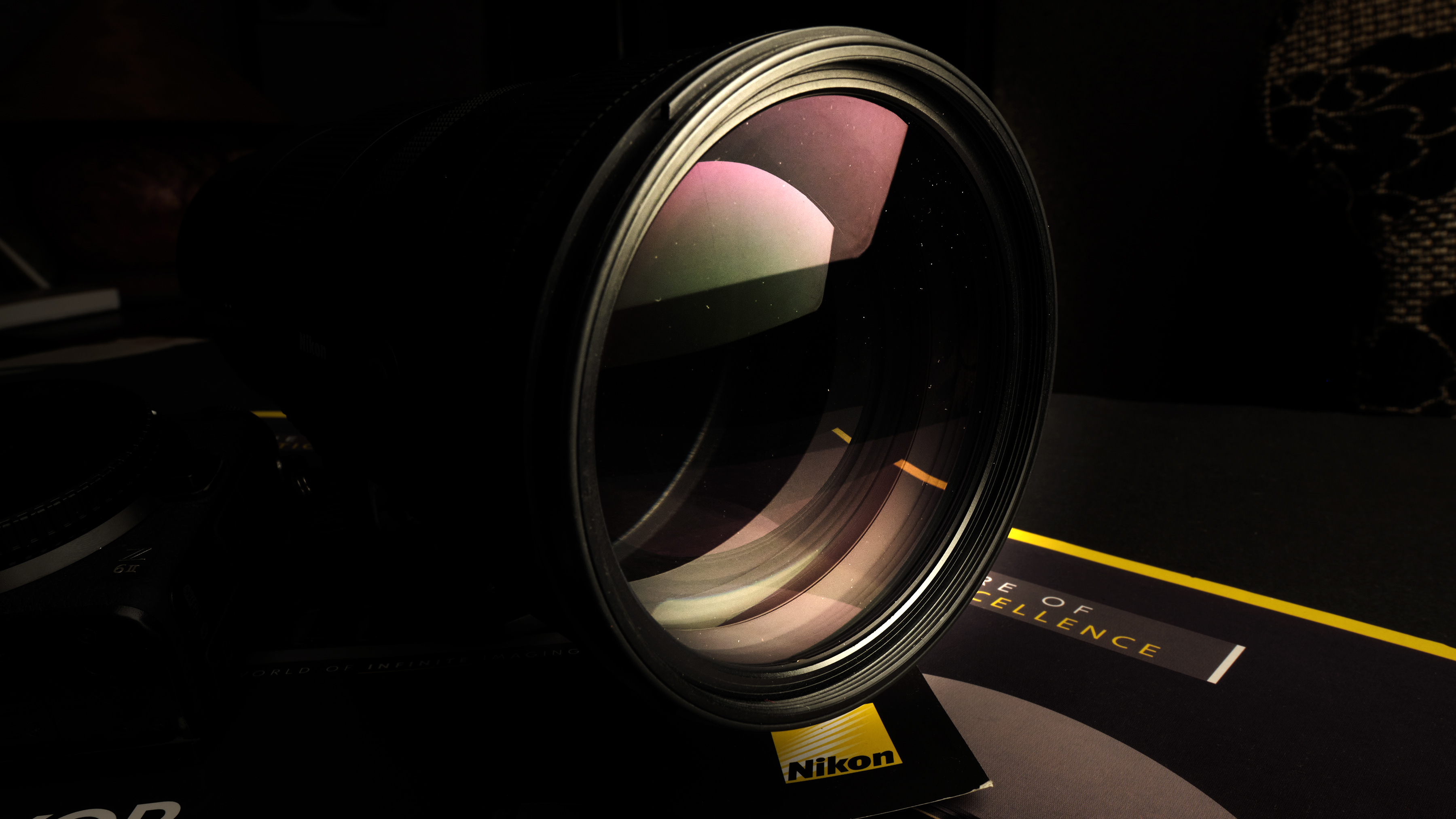
Glass remembers what cameras forget.
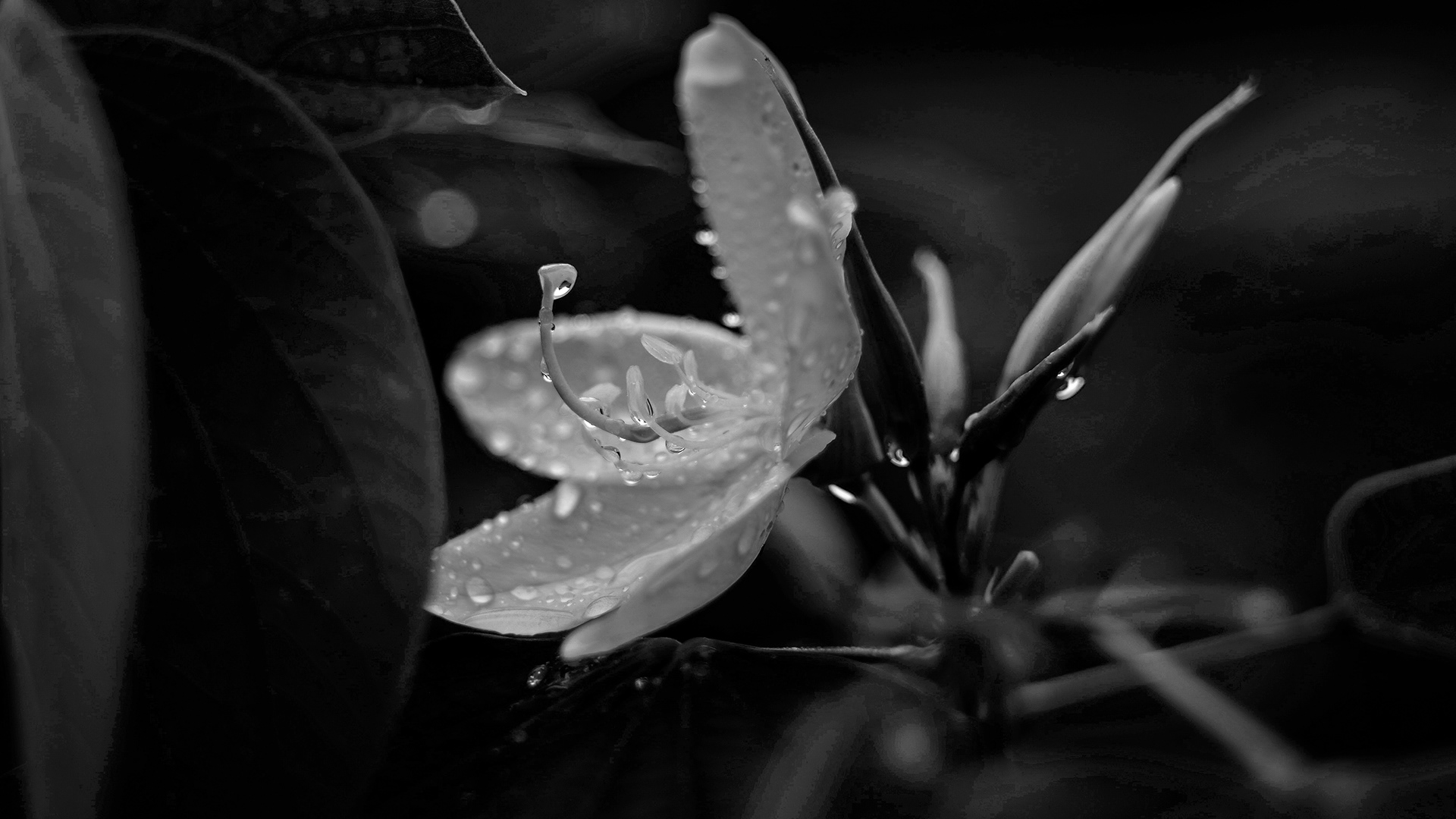
There is something quietly reassuring about watching light complete a journey that began long before the camera receiving it was ever imagined.
Every camera arrives with the confidence of permanence. It is introduced as the future. It promises higher resolution, greater dynamic range, faster autofocus, more intelligent algorithms and increasingly complex ways of making photographs. Yet history has been remarkably indifferent to such promises. Every generation eventually yields to another, and every revolutionary camera quietly becomes yesterday's engineering.
The lens asks for no such attention.
It simply waits.
Long before mirrorless cameras existed, before digital sensors replaced film, before autofocus became an expectation rather than a luxury, this Planar was already doing the one thing it was designed to do—to receive light, shape it with precision, and pass it faithfully to whatever medium happened to be waiting behind it.
That purpose has never changed.
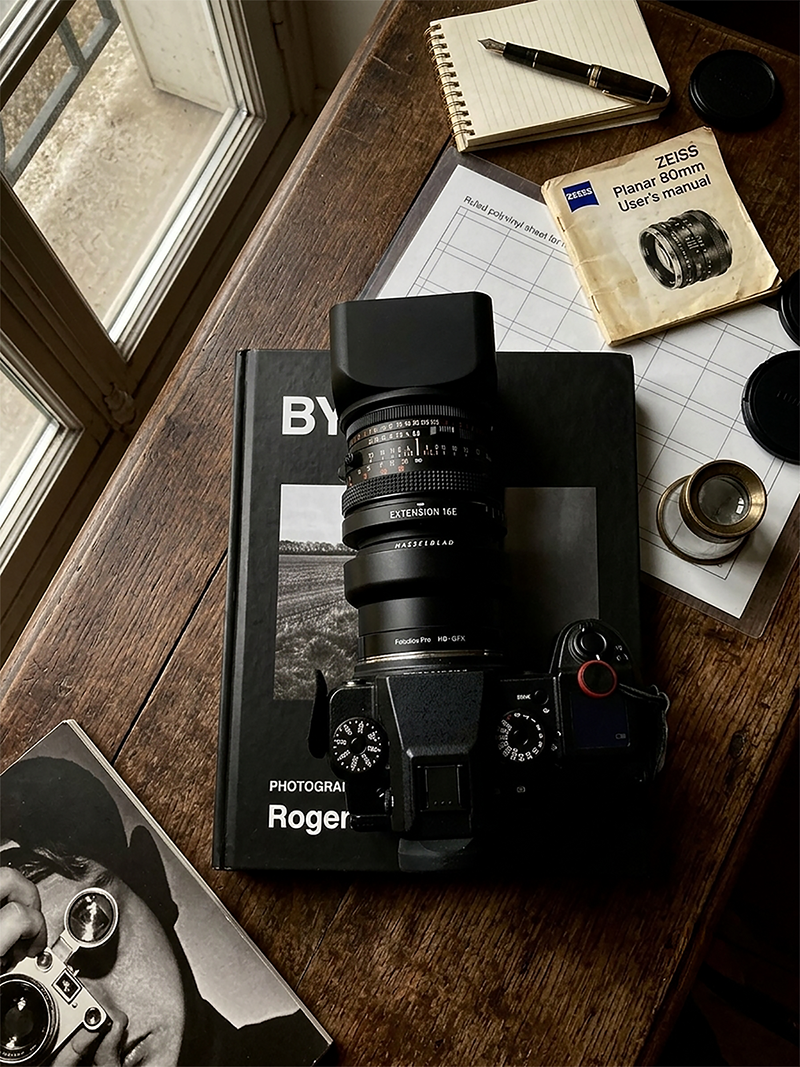
The Hasselblad 500CM was never merely a camera. It was an ecosystem. Lens, body, film magazine and waist-level finder formed a complete photographic instrument, each component seemingly inseparable from the others.
At least, that was how it appeared.
Decades later, the body has become part of photographic history. Film has surrendered much of its place to silicon. The camera that once defined the system has become one chapter in a much longer story.
The mount changed.
The recording medium changed.
The photographer changed.
The path of light did not.
Perhaps that is the greatest compliment one can offer an optical design. It continues to speak fluently in a language invented long after its own.
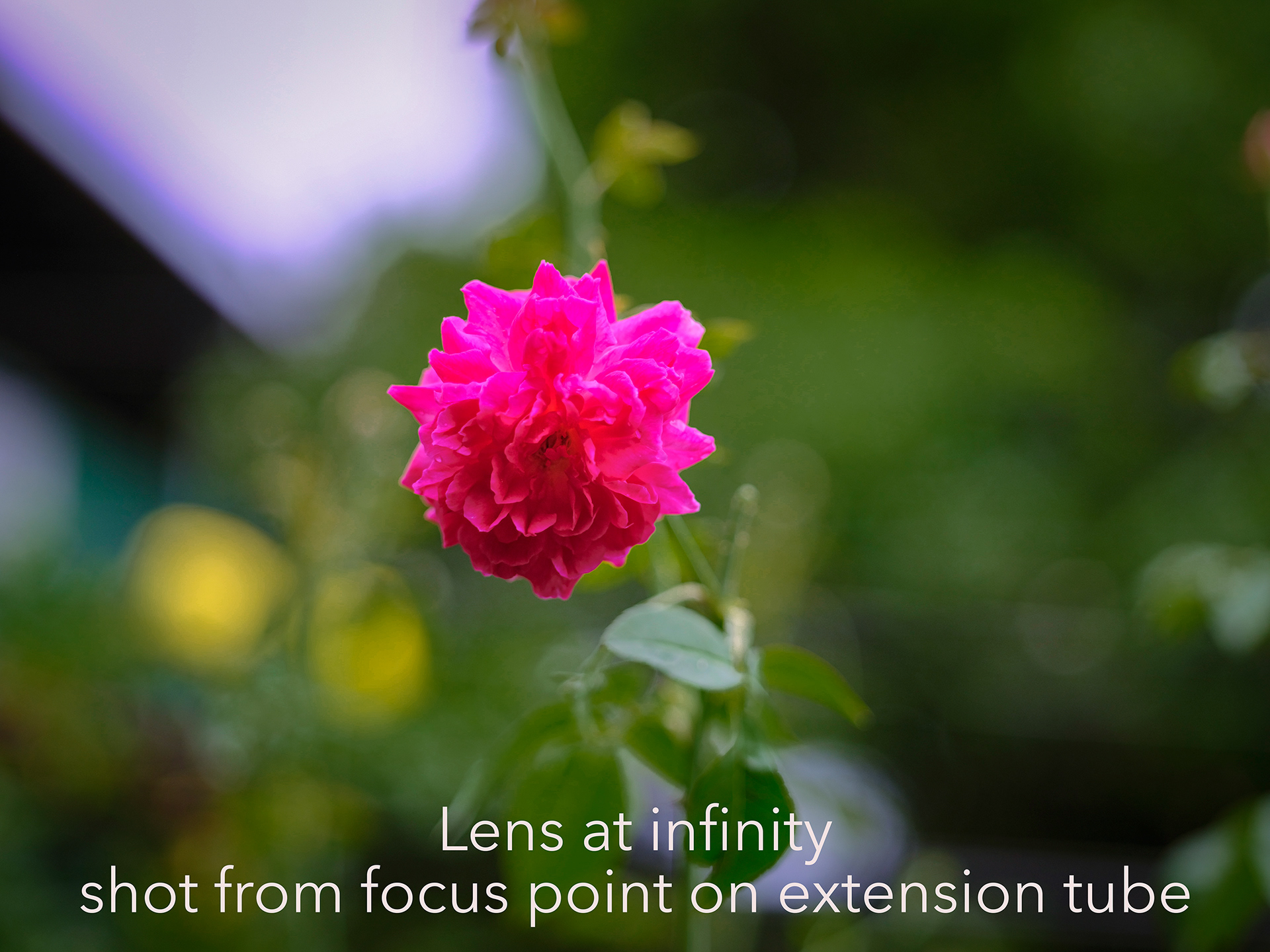
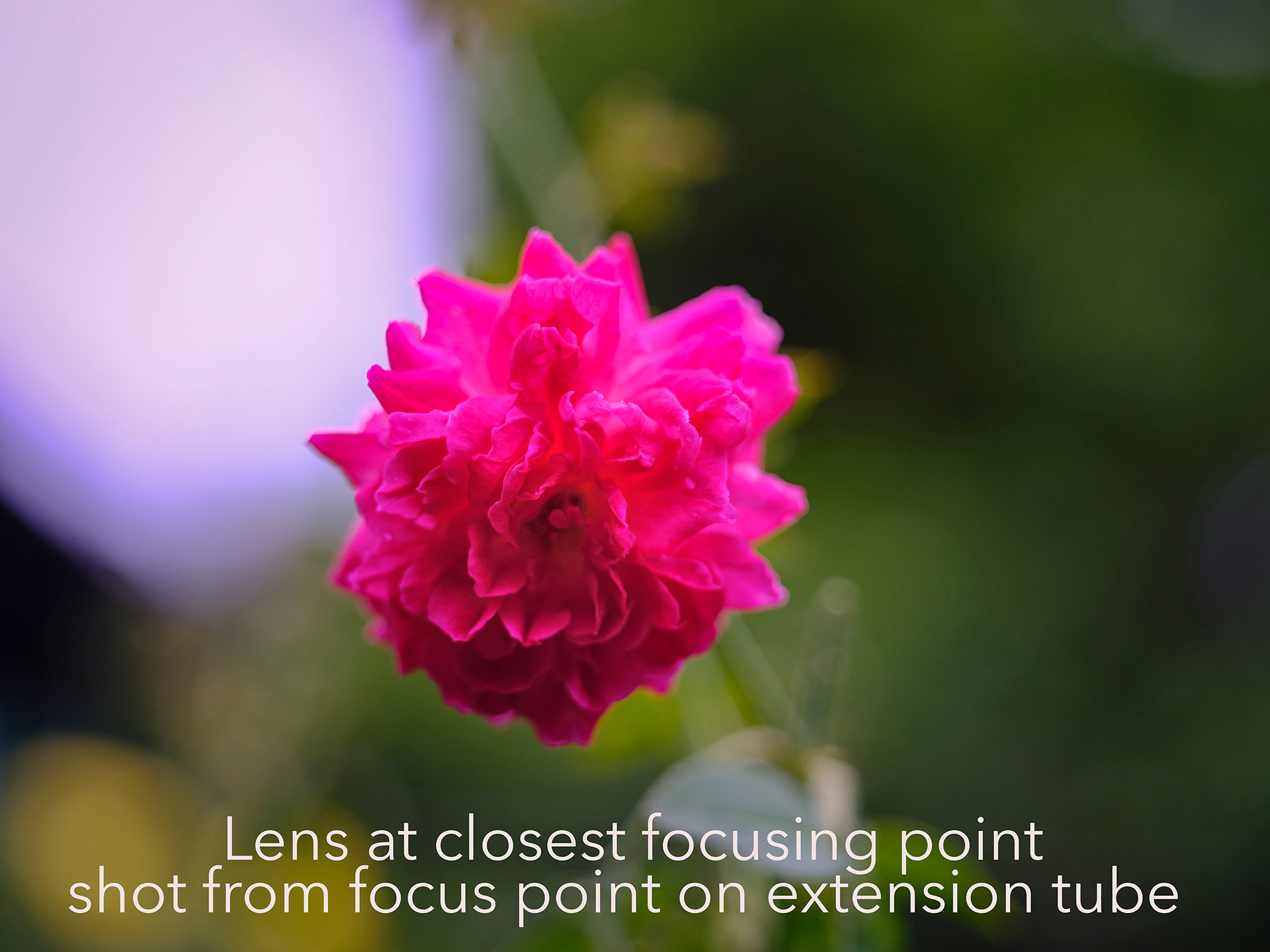
There is an odd tendency in modern photography to treat lenses as accessories to cameras.
History suggests the opposite.
Most cameras enjoy a brief moment at the forefront of technology before becoming obsolete. Great optics experience something altogether different.
They migrate.
They outlive shutters.
They outlive mounts.
They outlive film emulsions.
Eventually, they outlive the assumptions under which they were designed.
The Planar has now served silver halide crystals and digital photodiodes with equal indifference.
Light remains light.
Glass remains glass.
The conversation continues.
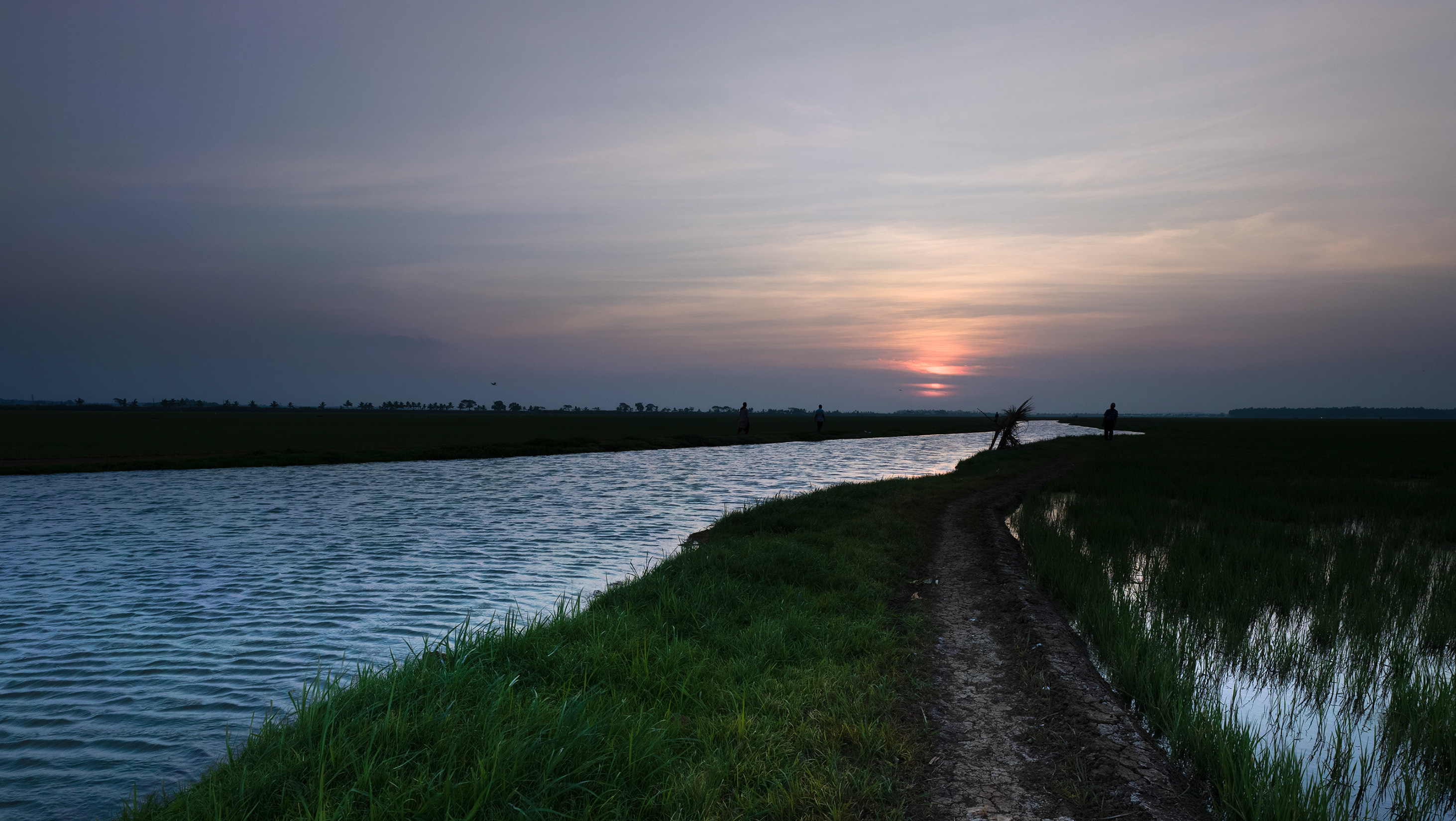
Perhaps that is why the photographs that follow are not chosen to satisfy convention. A portrait may reveal expression, a landscape may reveal scale, but neither possesses a monopoly on what a lens can teach us. Sometimes the quiet geometry of a leaf, the gradual transformation of a flower into fruit, the fragile balance of complementary colours, or rain resting upon a petal asks far more searching questions of glass, sensor and print than familiarity ever could
A lens does not recognise portraits, flowers or landscapes. It recognises only light. The categories belong to us.
These photographs do not ask to be looked at—they ask to be observed.
For those inclined toward measurements, charts and pixel-level inspection, the old Zeiss offers little drama. It resolves today's medium-format sensor without protest. Its micro-contrast remains unmistakable. Its tonal transitions remain gentle. Its rendering still possesses that curious quality photographers often recognise before they can describe it.
Its rendering still possesses that curious quality photographers often recognise before they can describe it.
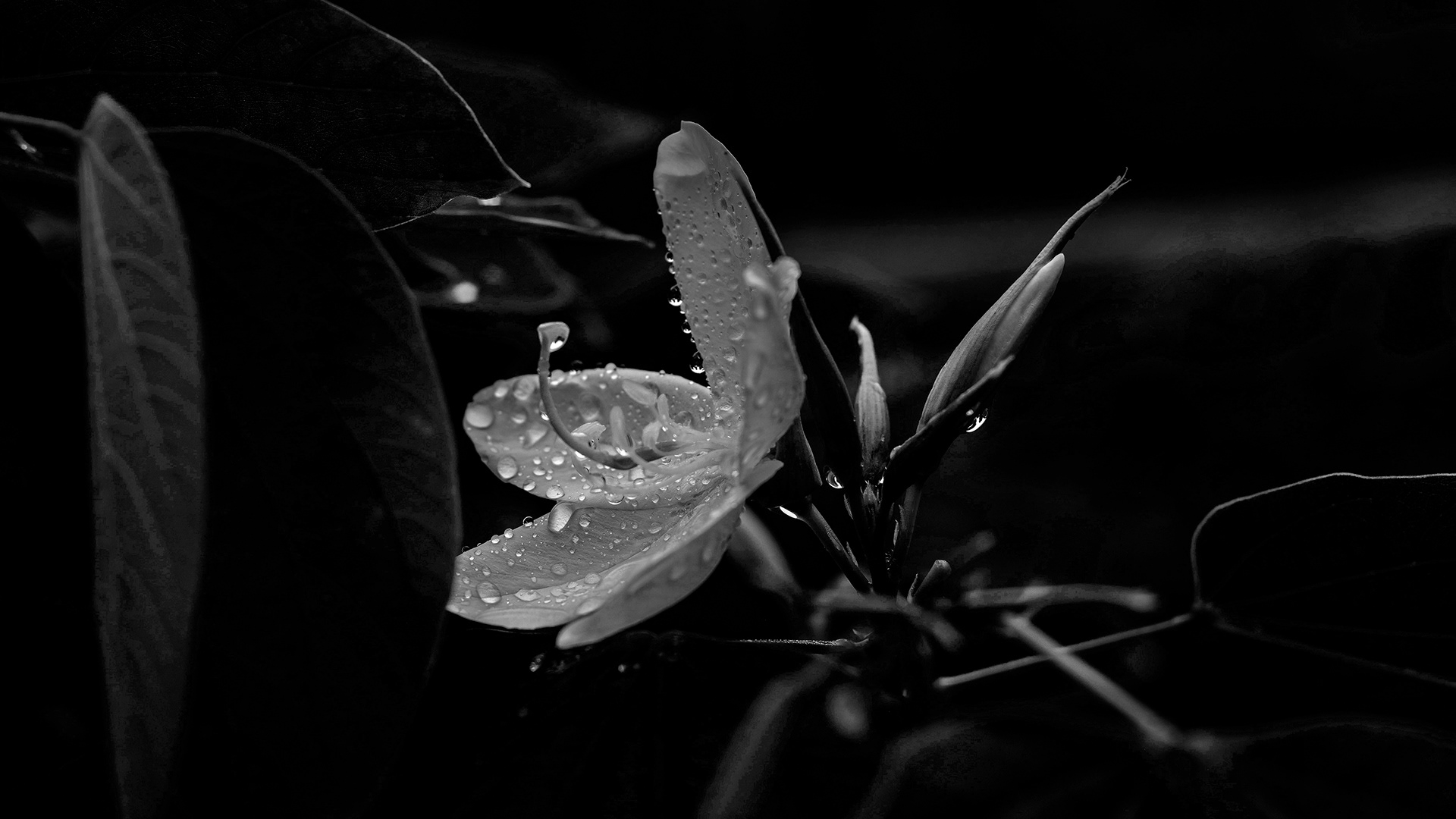
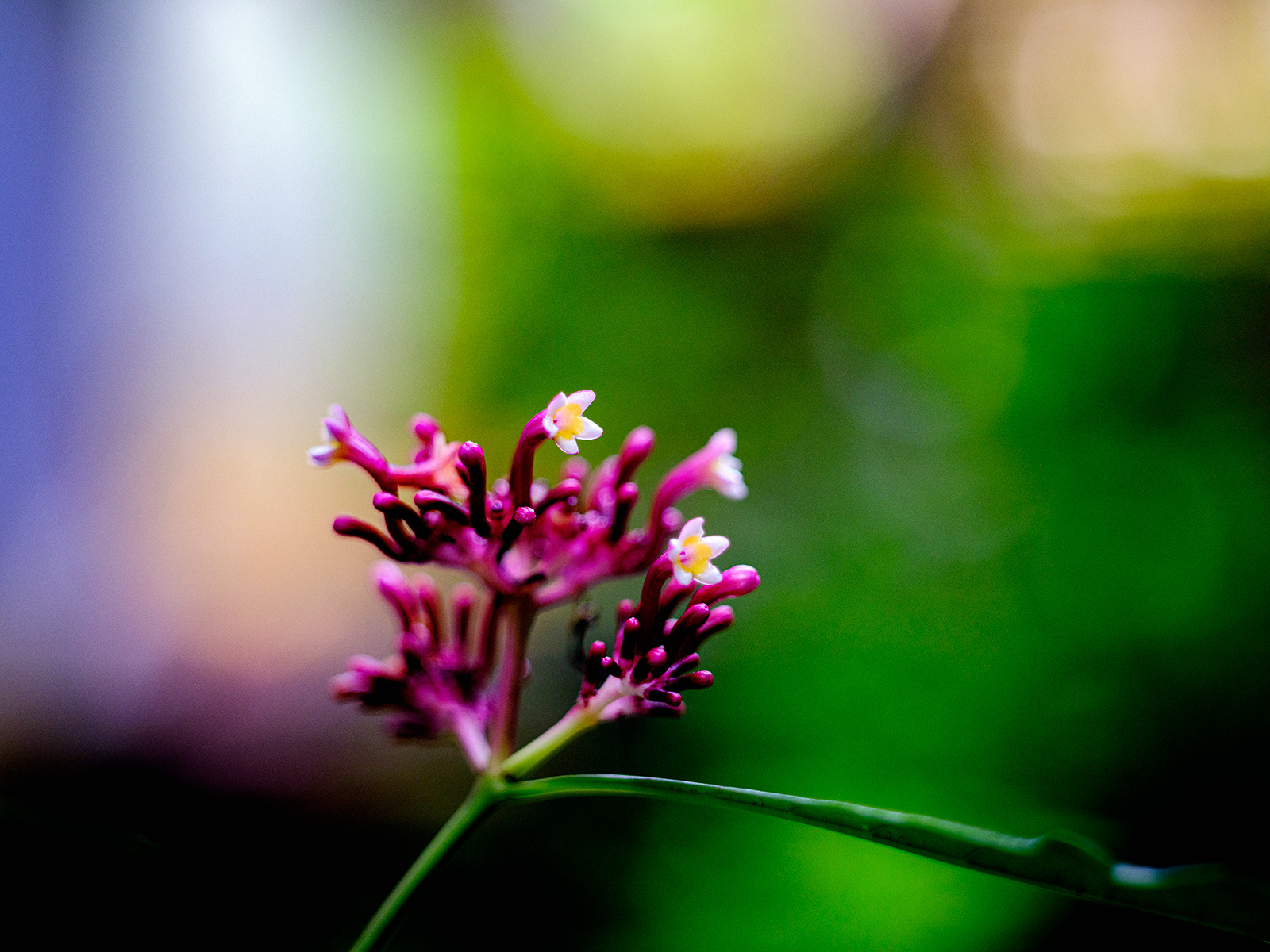
Photography often celebrates novelty.
Yet the most enduring ideas rarely announce themselves as new.
They simply continue.
The Planar is no longer attached to the camera for which it was conceived. The negatives it once illuminated have become archive material. The square format that defined generations has become a chapter in photographic history.
And still the light arrives.
There is something profoundly satisfying about that thought.
A design drawn decades ago continues its work with quiet confidence, unconcerned with marketing cycles, firmware revisions or the inevitable replacement of one camera by another.
Half a century from now, someone may mount this Planar on a camera that hasn't yet been designed. The camera will almost certainly be different. The mount will almost certainly be different. The medium receiving the light may no longer resemble today's sensor at all.
And yet, the light will still begin its final journey through these same elements of glass, following the very path calculated decades ago.
Glass remembers what cameras forget.
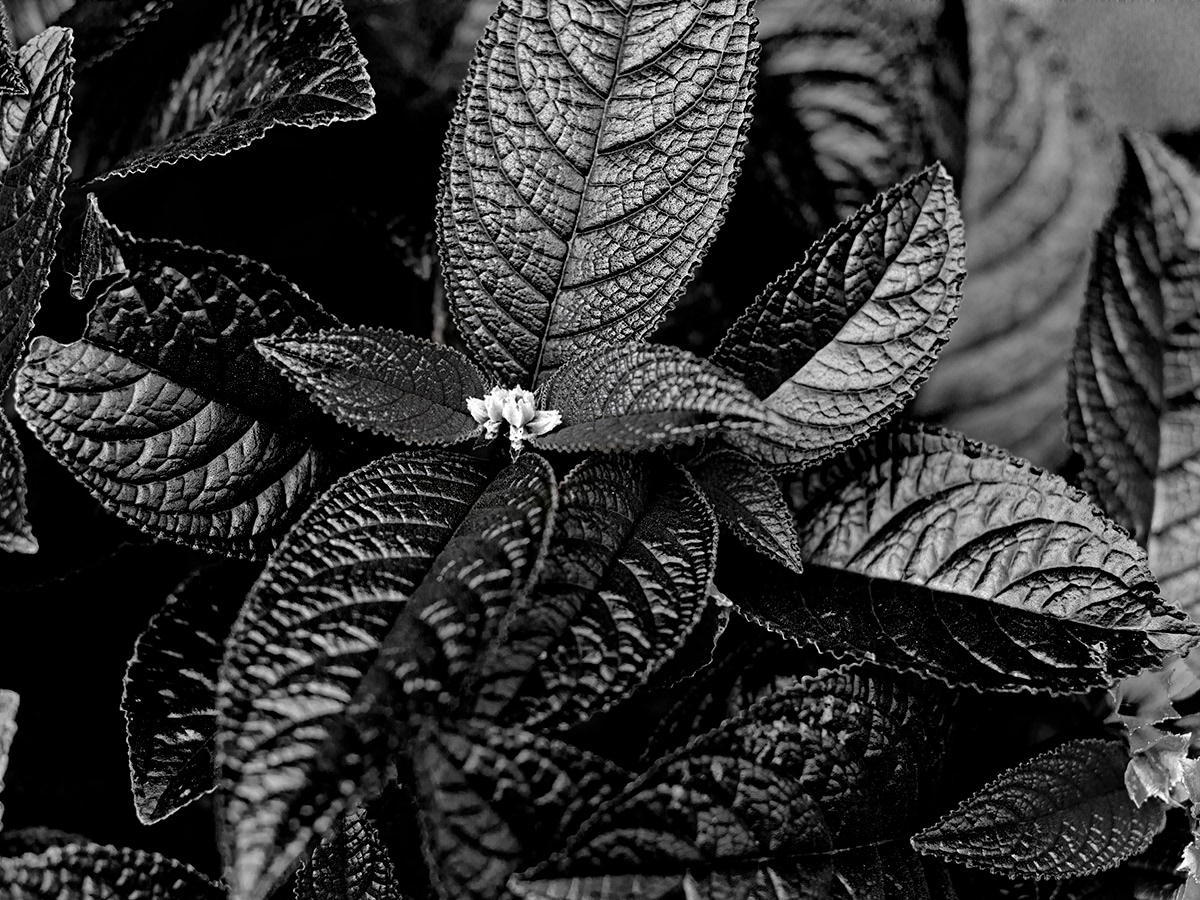
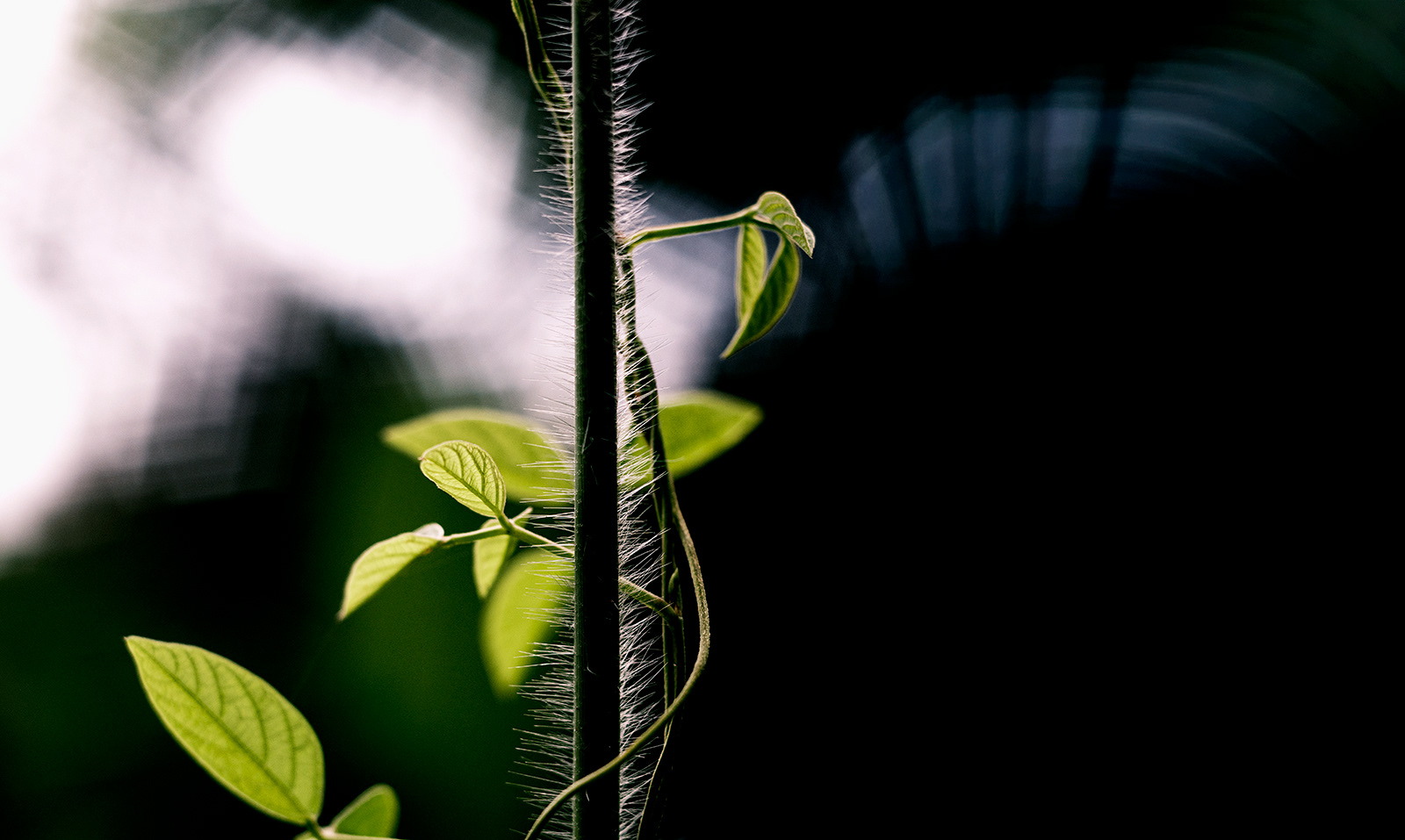


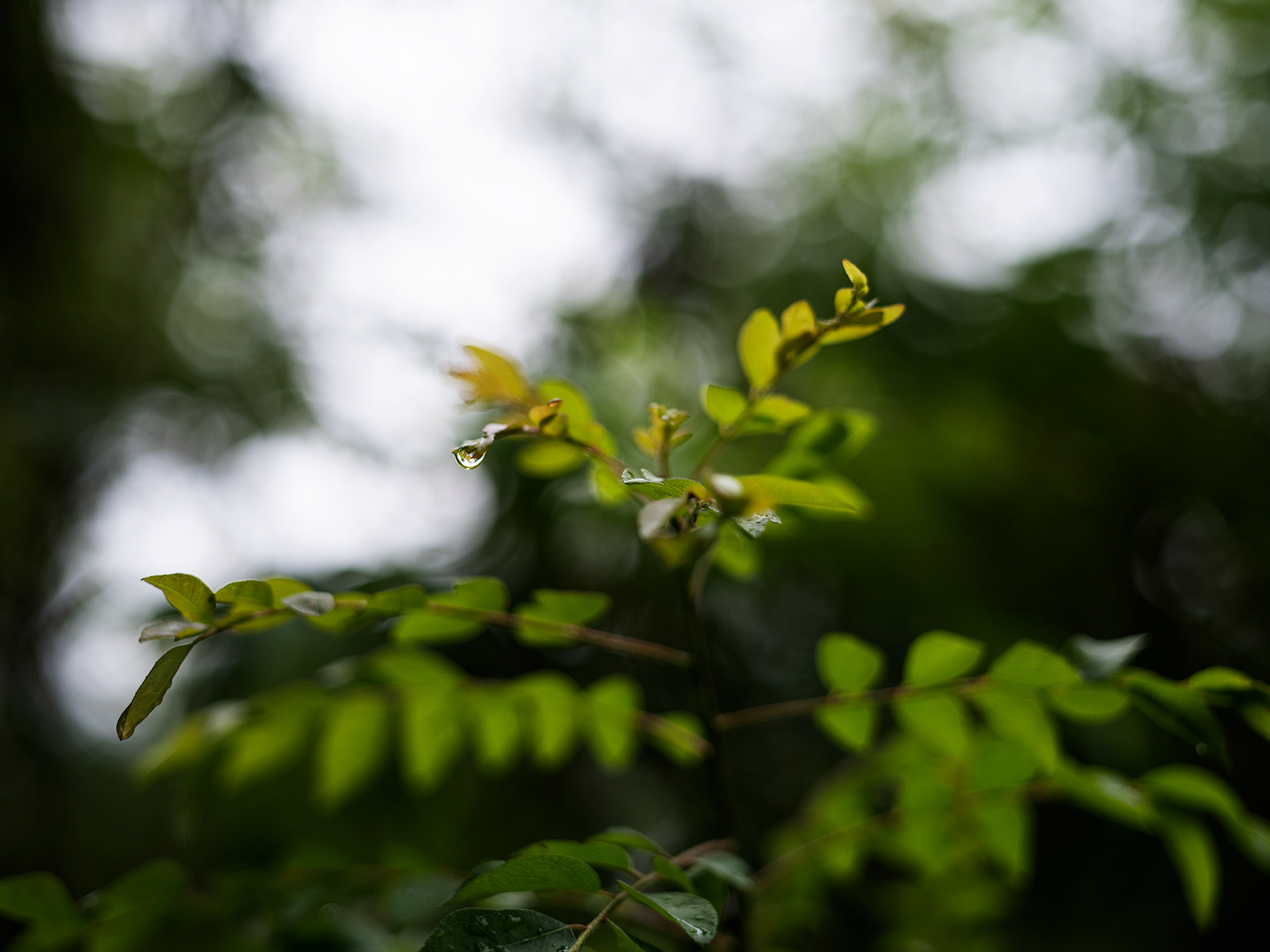
The subtle film feel that screams not.. 'Dehaze, Contrast, Curves, Levels.. Just stays..
There is more light yet to travel...
Perhaps the journey will one day return to the Square One—not to begin again, but to remember where it first learned to see..